
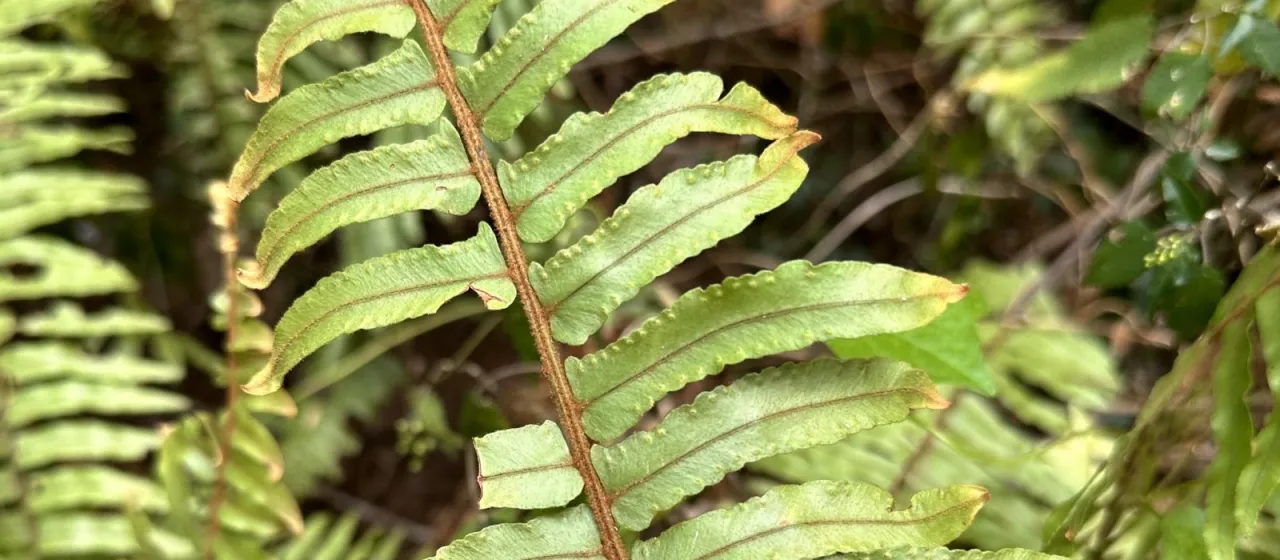
Description
Nephrolepis hirsutula is a perennial herbaceous plant belonging to the family Lomariopsidaceae. Within the context of professional horticulture and ornamental agriculture, this species is recognized for its robust growth habit and high aesthetic value, making it a staple crop for specialized greenhouses.
The plant originates from the tropical regions of Asia, Australia, and the Pacific Islands. Its natural habitat includes humid forests, where it thrives on moist soils and tree trunks. Understanding this native ecology is fundamental for farmers and nursery owners to replicate optimal growth conditions under managed environments.
The botanical structure is characterized by tufted, pinnate fronds that exhibit distinctive, stiff hairs (hirsutism) on the stalks and rachis. These fronds emerge from a short, creeping rhizome. The plant's architecture is highly valued for its dense foliage, which effectively fills space in containerized production systems.
Agrotechnical requirements demand a consistent moisture regime and high ambient humidity levels. The substrate must be porous, typically consisting of peat-based mixes with excellent drainage properties to prevent root rot. Supplemental lighting is often used in controlled-environment agriculture to maintain the vibrancy of the foliage throughout the year.
Economic applications of this fern include:
- Commercial production for the houseplant trade.
- Application in large-scale interior landscaping projects.
- Cultivation as a decorative ground cover in climate-controlled conservatories.
The crop is susceptible to common pests such as spider mites and scale insects, particularly when greenhouse conditions fluctuate. Proper integrated pest management (IPM) is essential to maintain plant health. Root pathogens, typically caused by waterlogging, remain the primary threat to overall productivity in large-scale nursery setups.