
Description
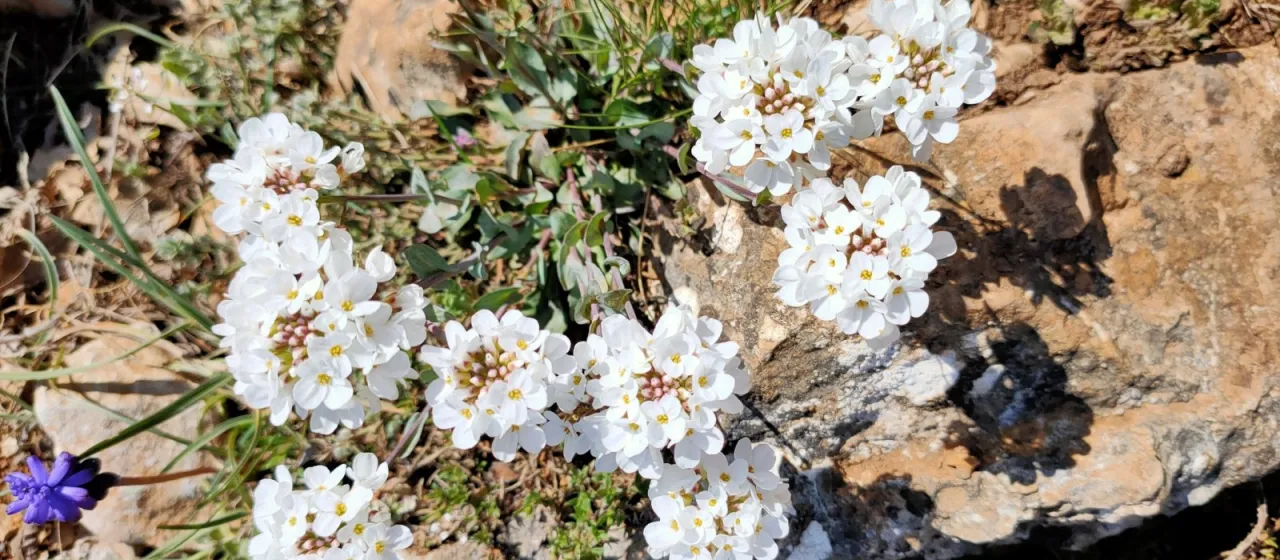
Large-flowered pennycress (latin Noccaea macrantha) is a perennial herbaceous plant belonging to the Brassicaceae family. In agronomy, this crop is increasingly recognized for its potential as a specialty oilseed and biomass producer. It is characterized by its compact morphology, consisting of a basal rosette of leaves and sturdy upright flower stalks that develop during the growing season.
The plant originates from the mountainous regions of Central Asia, where it has adapted to harsh environmental conditions and rocky, nutrient-poor substrates. Its distribution range covers areas with temperate climates, where the crop utilizes the cool spring and early summer periods for rapid development. This natural resilience makes it an interesting candidate for cultivation in high-latitude regions.
Botanically, Noccaea macrantha features deep-reaching root systems that provide stability and moisture access during dry spells. The flowers are significantly larger than those of related species, appearing in dense terminal racemes. The plant produces silicles containing seeds rich in fatty acids, which are of significant interest for industrial oil production applications.
The agronomic requirements for large-flowered pennycress involve well-drained, slightly alkaline to neutral soils. It prefers open, sunny locations with moderate moisture levels, particularly during the flowering stage. Essential agricultural practices include proper seedbed preparation and adequate spacing to minimize intraspecific competition, ensuring that the crop achieves its maximum yield potential per hectare.
Management of pests and diseases is a critical factor, as the crop is susceptible to common Brassicaceae threats such as flea beetles and downy mildew. Integrated pest management (IPM) strategies, including crop rotation with non-host species, are highly recommended to prevent soil-borne pathogen buildup. Effective monitoring of insect populations ensures that the crop remains healthy throughout its critical developmental phases.