
Description
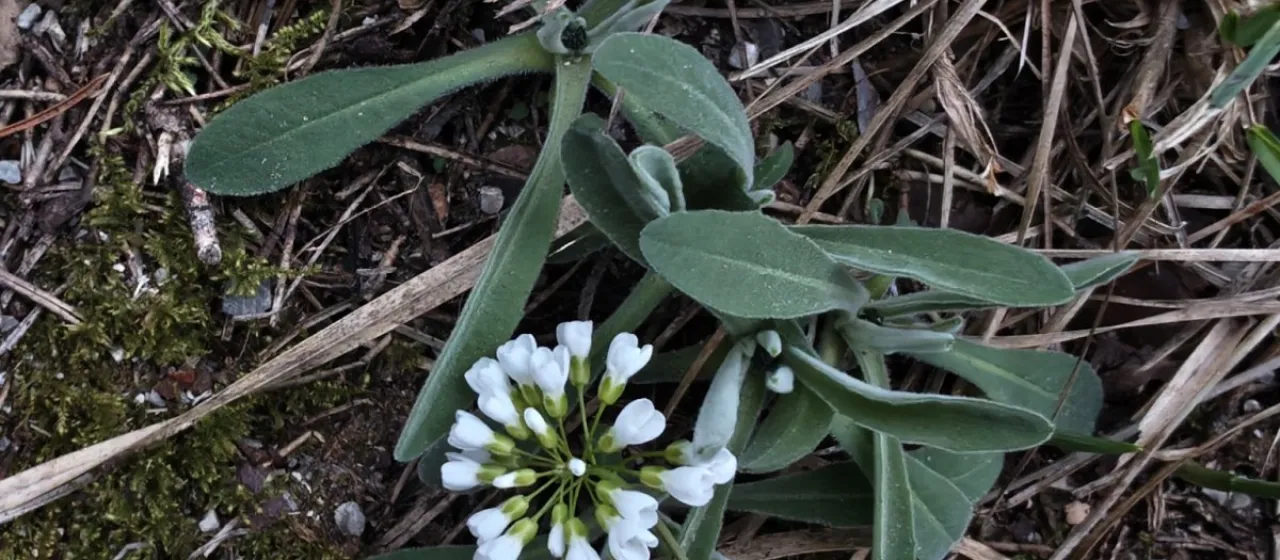
Mountain pennycress (Noccaea montana) is a perennial herbaceous plant belonging to the Brassicaceae family. Naturally occurring in alpine and subalpine zones across Europe, this species is noted for its high adaptability to harsh, high-altitude environments. While not a conventional commercial crop, its biological resilience makes it a subject of interest for specialized agriculture and environmental restoration projects.
Botanically, Noccaea montana forms a basal rosette of leaves with ascending stems that feature clusters of small, white to pinkish flowers. Its root system is structurally designed for anchorage in rocky or limestone-heavy substrates. This adaptation allows the plant to thrive in challenging geological conditions, where nutrient availability is limited and soil stability is often compromised by physical erosion.
Regarding climatic requirements, the plant prefers cool temperatures and high light exposure. It is highly resistant to frost but requires excellent soil drainage to prevent root rot. It flourishes in alkaline or neutral soils rich in minerals, which is typical for its native limestone-dominated habitats. In a controlled cultivation setting, providing a substrate that mimics these natural conditions is essential for healthy plant development.
The agrotechnology for mountain pennycress involves seed stratification to overcome dormancy before sowing. Since the plant is naturally adapted to nutrient-poor soils, heavy fertilization is generally unnecessary and may even prove detrimental. Maintenance primarily involves ensuring adequate space between plants to allow for airflow, which helps mitigate the risk of fungal infections such as downy mildew.
Economically, Noccaea montana is currently being explored for its phytoremediation capabilities, particularly its ability to hyperaccumulate heavy metals from the soil. Pests that commonly affect the crop include typical cruciferous feeders, such as flea beetles. Farmers or researchers looking to introduce this plant should prioritize biological controls and mechanical weeding to maintain crop health and environmental integrity.