
Description
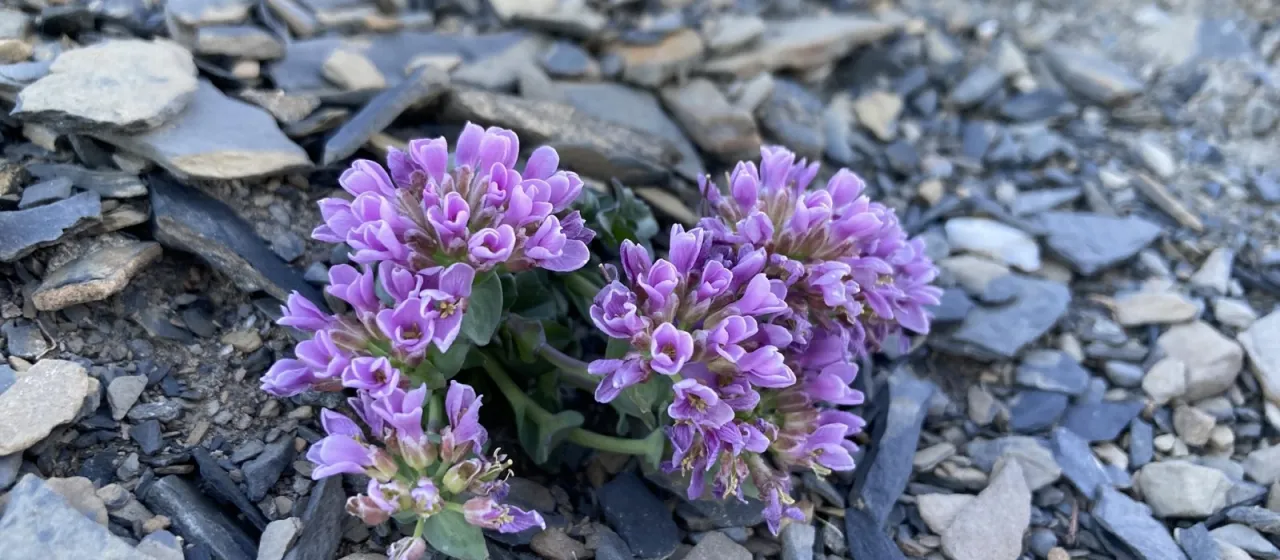
Round-leaved pennycress (Noccaea rotundifolia), formerly identified as Thlaspi rotundifolium, is a perennial herbaceous plant belonging to the Brassicaceae family. This species is native to high-altitude regions, specifically the mountains of Central and Southern Europe, where it has evolved to thrive in harsh, rocky environments.
In its natural habitat, the plant inhabits alpine screes, rocky crevices, and limestone cliffs. It is highly adapted to nutrient-poor soils and extreme temperature fluctuations, making it a specialized subject for alpine gardening and cold-climate cultivation where other ornamental crops might struggle to survive.
Botanically, it is recognized by its dense rosettes of rounded, fleshy leaves that grow close to the ground. During its blooming period, which typically occurs in early summer, it produces short stems topped with fragrant, four-petaled flowers ranging from soft pink to vibrant lilac, forming a carpet of color.
Successful cultivation requires meticulous attention to drainage and soil structure. To mimic its natural environment, it should be planted in a gritty or sandy medium with a neutral to alkaline pH. Good airflow and protection from extreme summer humidity are essential to prevent the plant from decaying, as it dislikes heavy, waterlogged conditions.
The primary use of Noccaea rotundifolia is ornamental, specifically for rock gardens, trough planters, and alpine houses. Despite its hardiness, it can be susceptible to common cruciferous pests like flea beetles. Maintenance involves minimal watering, avoiding fertilizers, and ensuring the crown of the plant stays dry to avoid root rot issues.