
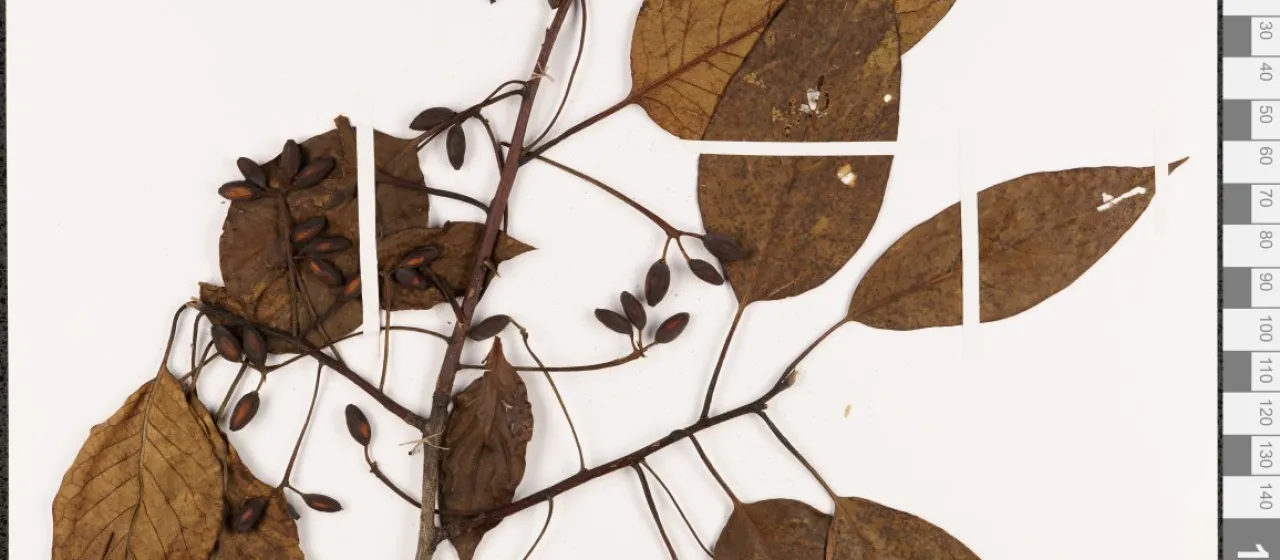
Description
The Chinese tupelo (Nyssa sinensis Oliv.) is a significant deciduous tree belonging to the Nyssaceae family. Known for its elegant architecture and seasonal displays, it serves as an excellent ornamental specimen for botanical gardens and large private estates, where it can reach impressive dimensions under favorable conditions.
The species is native to Central and Southern China, thriving in mountain forests and riverside habitats. This origin suggests a preference for regions with consistent humidity, relatively mild winters, and protection from extreme climatic volatility, which remains a key factor for successful cultivation abroad.
Botany-wise, the species is distinguished by its elongated, lanceolate leaves that exhibit a magnificent color change in autumn. The transition from green to deep shades of orange, yellow, and scarlet makes it one of the most sought-after trees for aesthetic purposes. The bark also provides visual interest as the tree matures, developing a rugged texture.
Cultivation requires specific attention to soil moisture and pH levels. The tree prefers rich, deep, and acidic soil that retains moisture without becoming waterlogged for long periods. It is best positioned in areas that offer protection from drying winds, as the foliage is susceptible to scorching if the plant is exposed to excessive air movement.
- Requirement for consistently moist soil conditions
- Preference for sheltered locations to prevent wind damage
- Slow to moderate growth rate depending on environmental support
- High aesthetic value due to exceptional autumn foliage
The primary use of the Chinese tupelo is within landscape design, serving as an exceptional focal point or a feature of high-end plantings. In terms of health, it is generally robust, although cultivators should be wary of common pests like aphids or fungal issues such as leaf spots if the tree is grown under stressful conditions or poor air circulation.