
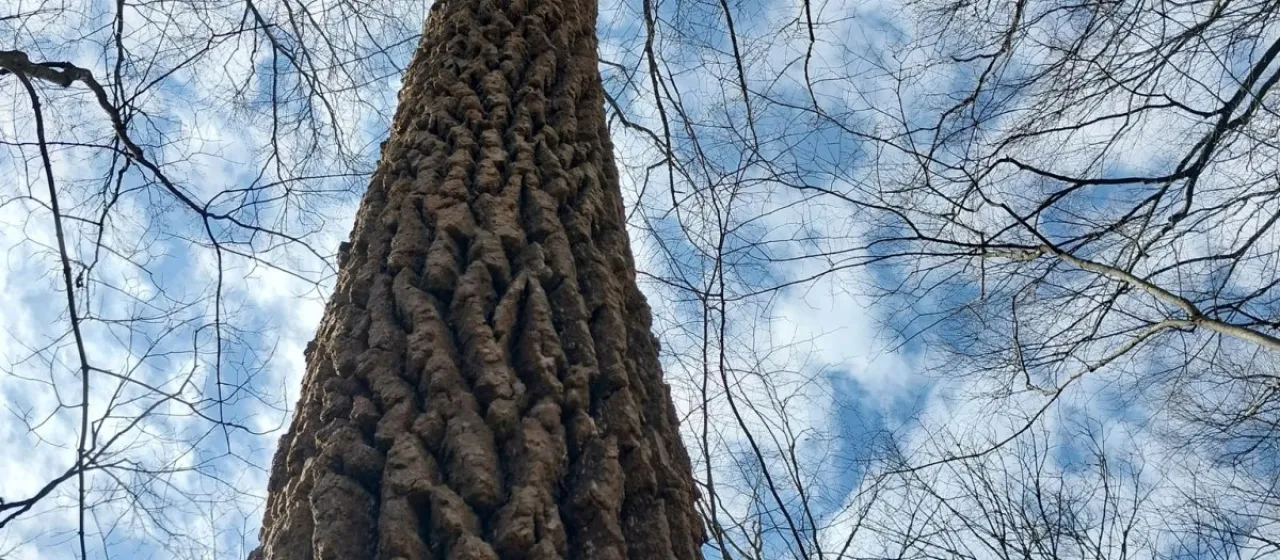
Description
Black tupelo (Nyssa sylvatica Marshall), also known as sour gum or black gum, is a deciduous tree belonging to the Nyssaceae family. It is highly valued in both forestry and ornamental horticulture for its unique habit and breathtaking autumn foliage, which ranges from bright yellow to deep scarlet.
Native to eastern North America, the species thrives in diverse habitats ranging from wet, swampy lowlands to well-drained upland sites. Its wide geographical range reflects a high degree of ecological plasticity, allowing it to adapt to various temperate climates across the globe where it is now cultivated as an ornamental specimen.
Botanically, the species is characterized by a long, deep taproot, which makes it challenging to transplant but highly stable once established. The tree typically develops a dense, conical crown, and its leaves are alternate, simple, and lustrous. The flowers are small, greenish-white, and considered an excellent source of nectar for honeybees.
The agrotechnical requirements for black tupelo center on site selection. It prefers acidic, well-drained but moisture-retentive soils. Unlike many other hardwood species, it shows exceptional tolerance to soil saturation and standing water, making it a functional choice for poorly drained areas of a landscape or nursery.
- Requires minimal pruning to maintain a natural, healthy form.
- Mulching is essential to keep the root system cool during dry spells.
- Avoid alkaline soils, which may cause chlorosis and stunt development.
- Planting is most successful in early spring or late autumn.
Economically, Nyssa sylvatica is utilized not only for its ornamental impact but also for its wood. The timber is famously difficult to split and is traditionally used for heavy-duty items such as pallets, flooring, and specialty turnery. Furthermore, tupelo honey, produced by bees foraging on its flowers, is highly prized for its flavor.
Regarding plant health, the black tupelo is generally robust. However, it can occasionally be affected by leaf spots, rusts, or cankers if the environmental conditions are excessively humid or if the tree is under stress. Management primarily involves ensuring proper spacing for air circulation and removing any damaged branches to prevent disease spread.