
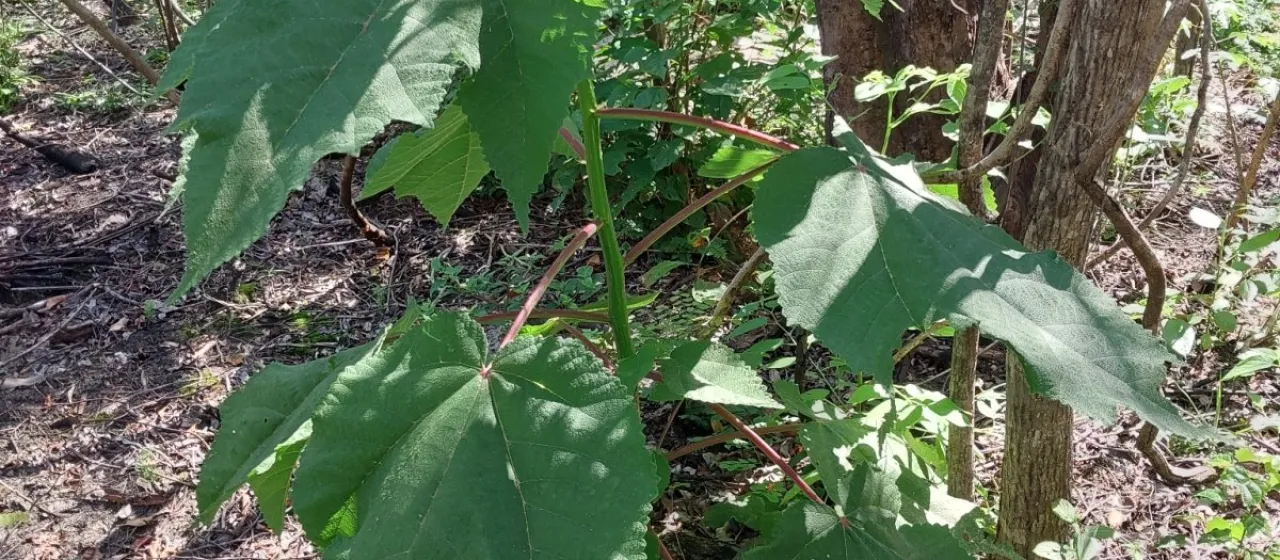
Description
Obetia radula is a perennial woody shrub belonging to the Urticaceae (nettle) family. Unlike the majority of herbaceous nettles found in temperate climates, this species is noted for its ability to develop a significant woody trunk, effectively functioning as a small tree or large bush. This botanical characteristic makes it an intriguing subject for both morphological study and industrial cultivation in arid tropical zones.
The native range of this species is centered in Eastern and Southern Africa, including significant populations on the island of Madagascar. It is typically found in dry, woodland environments where it has evolved to thrive under conditions of intense solar radiation and irregular rainfall. Its geographical distribution spans various ecological niches, provided the temperatures remain warm throughout the year.
Botanically, Obetia radula is distinguished by the presence of stinging, glandular hairs that cover its foliage and stems, serving as an effective mechanical defense mechanism against herbivores. The leaves have a distinctly rough, sandpaper-like texture. The plant exhibits remarkable drought tolerance, storing nutrients and moisture within its specialized stem tissues, allowing it to recover rapidly after prolonged dry spells.
Cultivation requirements focus heavily on soil structure and water management. The species demands well-drained, porous soils; it is highly susceptible to root rot if waterlogged conditions are present. In agricultural practice, it prefers sandy or stony soils with a neutral pH. It is sensitive to frost, which limits its commercial cultivation range to tropical and subtropical regions where the temperatures do not drop below the freezing point.
The primary industrial value of Obetia radula lies in its production of high-strength bast fibers. Historically, these fibers have been processed for the creation of heavy-duty cordage, fishing nets, and durable textiles. In modern contexts, it is being evaluated for its potential in sustainable fiber production, as well as for the bioactive compounds found within its biomass that may have future applications in the pharmaceutical industry.
- Soil preference: Well-drained, sandy-loam soils.
- Propagation: Primarily by seeds or hardwood cuttings.
- Pest management: Protection against defoliating insects.
- Maintenance: Pruning to encourage biomass development and structural stability.