
Description
Obetia tenax is a perennial woody shrub belonging to the Urticaceae (nettle) family. Unlike some of its smaller relatives, this plant is primarily recognized for its agricultural potential as a source of high-quality bast fiber, making it a subject of interest for sustainable textile and industrial manufacturing industries seeking alternative plant-based materials.
Native to Southern Africa, this species naturally thrives in rocky, well-drained terrains. Its evolutionary history in arid and semi-arid regions has endowed it with significant resilience. In modern cultivation, the plant is evaluated for its potential to grow in tropical and subtropical regions, offering a sustainable way to utilize lands that may be less suitable for traditional food crops.
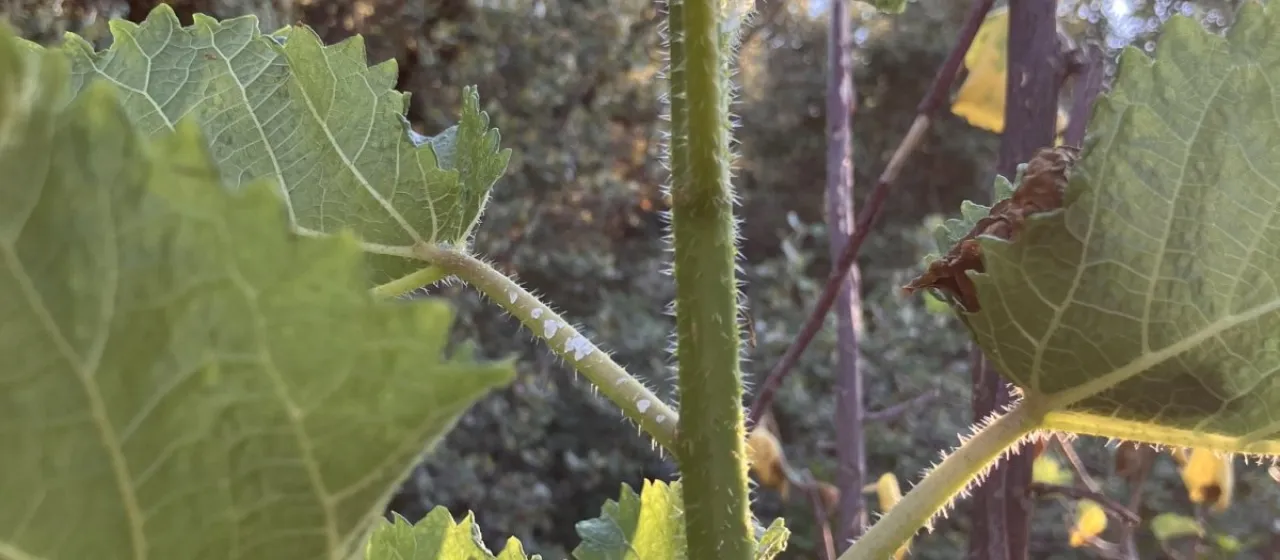
Botanically, the plant features a robust stem structure capable of reaching considerable height. The fibers are located in the phloem of the stems, characterized by their length and tensile strength. The leaves are generally heart-shaped and serrated, while the root system is deep and efficient at capturing water, which contributes to the plant's ability to survive in environments with fluctuating precipitation.
Cultivation requires well-structured, loamy soils that prevent waterlogging, as the species is susceptible to root rot if drainage is poor. Agricultural management involves spacing the plants to maximize biomass production per hectare. While it is generally hardy, seedlings require protection from extreme cold and competitive weeds. Fertilization regimes focus on nitrogen to support rapid vegetative stem growth during the peak season.
The primary economic use of Obetia tenax is the extraction of its bast fiber, which is processed into durable ropes, twines, and coarse textiles. Due to its natural resistance to degradation in humid conditions, it is highly valued for maritime or outdoor utility products. Research is also ongoing into its potential use for high-yield paper pulp and bio-composites, highlighting its versatility as an industrial crop.
- High tensile strength of extracted fibers.
- Natural durability against environmental factors.
- Potential for sustainable bio-based manufacturing.
- Efficient biomass conversion rate.