
Description
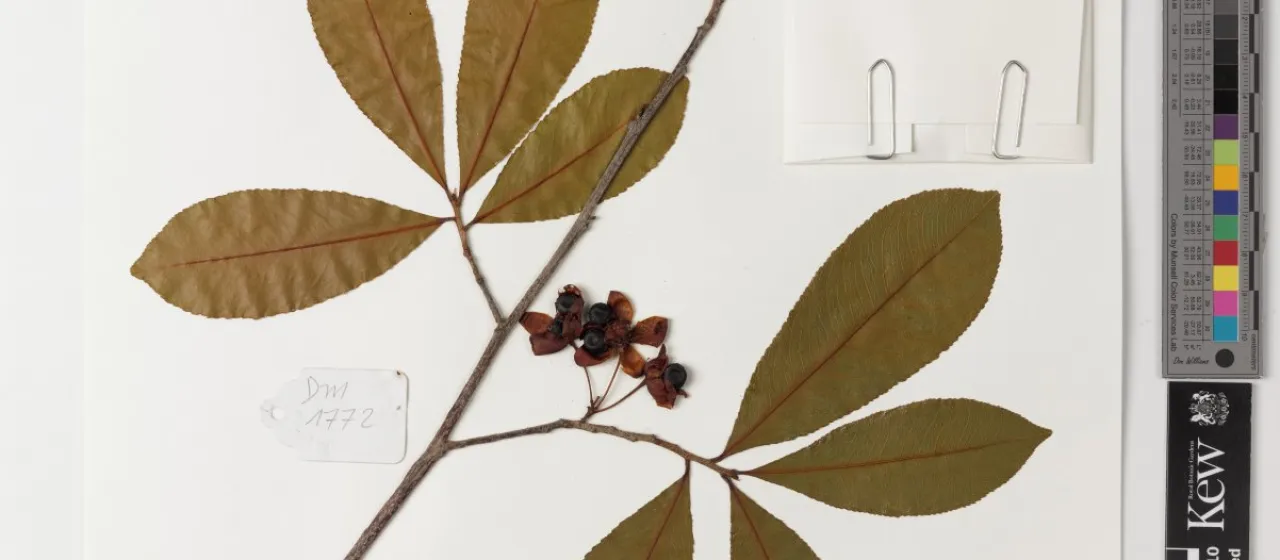
Ochna afzelii is a perennial woody plant belonging to the Ochnaceae family. Known for its distinct floral morphology, the plant produces yellow flowers that are followed by the development of enlarged, crimson-colored receptacles bearing small black fruits. This unique feature makes it a significant botanical interest in tropical agricultural research.
Native to the tropical regions of West and Central Africa, this species primarily thrives in forest edges and savannah environments. It is well-adapted to high humidity and stable temperatures throughout the year. Its distribution is largely dictated by annual rainfall patterns, and it plays a vital role in maintaining the biodiversity of its native tropical habitats.
Botanically, Ochna afzelii is characterized by its coriaceous (leathery) leaves and resilient branch structure. The growth cycle is intricately linked to the wet and dry seasons, which influence both vegetative growth and the timing of fruit set. The root system is deep and expansive, providing the plant with the necessary stability and water uptake efficiency in competitive forest settings.
Successful cultivation requires well-draining, nutrient-rich soil with a slightly acidic profile. In terms of agronomy, it is essential to mimic its natural environment by providing consistent moisture and adequate shelter from intense, direct solar radiation, especially during the seedling stage. Optimal temperature ranges for this species lie between 22°C and 30°C.
- Traditional use of bark extracts in local medical applications.
- Use in tropical landscape design for ornamental hedges.
- Research into potential phytochemical properties.
- Role as a nectar source for local pollinator populations.
Pest management for Ochna afzelii involves monitoring for scale insects and aphids, which are common in warmer climates. Fungal infections, often triggered by excessive humidity and poor soil drainage, can compromise root health. To maintain a healthy crop, growers should implement rigorous irrigation control and utilize preventative pruning to ensure sufficient airflow throughout the canopy.