
Description
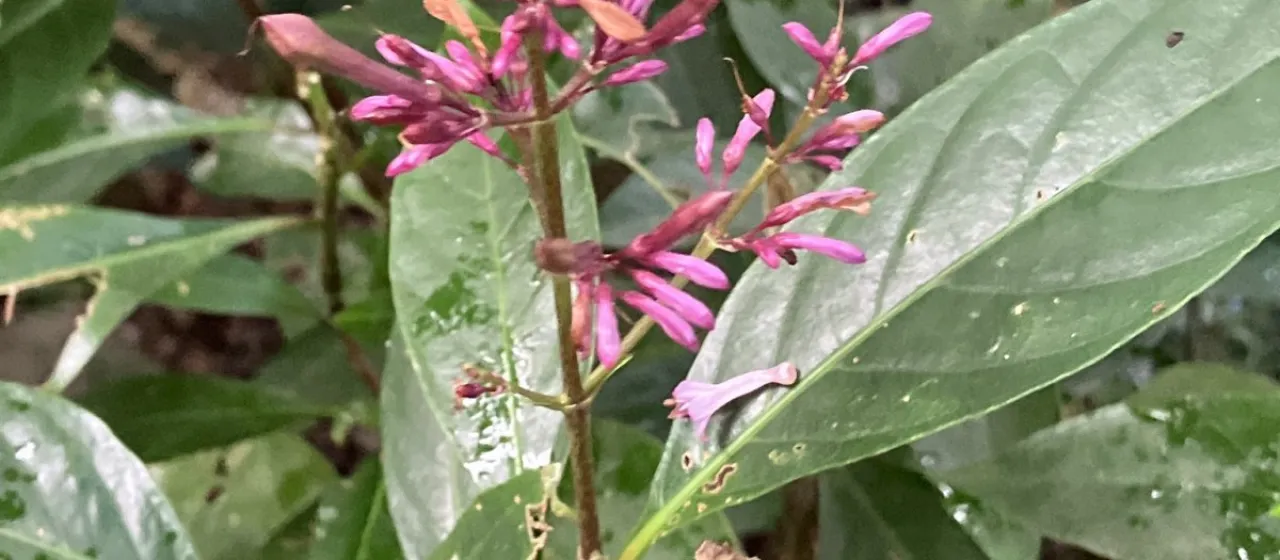
Odontonema nitidum is an evergreen ornamental shrub belonging to the Acanthaceae family. Recognized for its glossy foliage and striking tubular red flowers, this species is a staple in tropical landscape architecture. In commercial horticulture, it is cultivated primarily for its aesthetic appeal and suitability for greenhouse production in controlled environments.
The plant originates from the tropical regions of Central and South America, where it typically thrives in the understory of moist forests. Due to its tropical nature, its cultivation is largely restricted to regions with mild climates or protected environments. In its natural range, it contributes to the local ecosystem by providing nectar for pollinators, including hummingbirds and various butterflies.
Botanically, Odontonema nitidum grows as an upright shrub typically reaching heights of 1 to 2 meters. Its leaves are opposite, lanceolate, and possess a distinct shiny surface. The flowers are arranged in terminal racemes, offering a vibrant visual contrast to the dark green foliage. The plant’s rapid growth and ease of propagation make it a reliable choice for intensive cultivation.
Successful agronomic management of this species requires careful attention to soil and water parameters. The plant prefers fertile, well-draining soils rich in organic matter. While it is tolerant of shade, it requires filtered light to maintain optimal flowering density. Regular irrigation is crucial, as the plant does not tolerate prolonged drought, which often leads to foliage drop and stunted growth.
- Soil pH: slightly acidic to neutral range.
- Propagation: easily achieved via stem cuttings in a humid environment.
- Fertilization: periodic application of balanced nitrogen-based fertilizers.
- Pruning: frequent trimming maintains the desired height and bushiness.
In terms of plant health, Odontonema nitidum is susceptible to typical indoor and greenhouse pests, such as spider mites, aphids, and scale insects. Maintaining good airflow is essential to prevent fungal outbreaks, particularly root rot, which often occurs if the drainage is inadequate. By managing these environmental factors, growers can ensure healthy, high-quality plants throughout the growing season.