
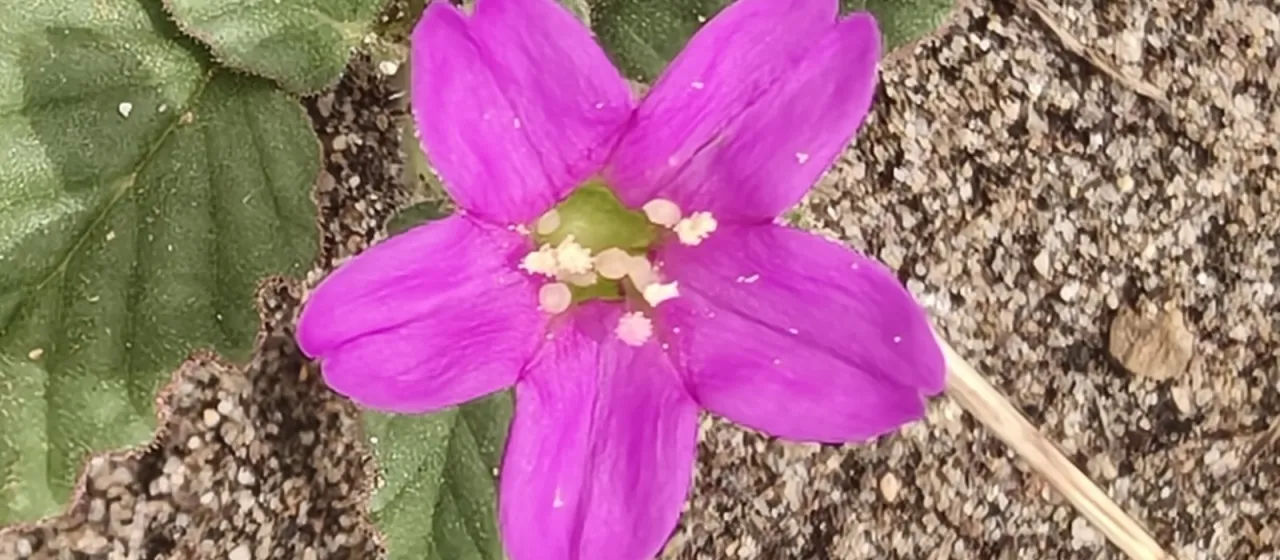
Description
Peanut (lat. Arachis hypogaea) is a significant agricultural legume crop known primarily for its edible seeds. The plant belongs to the Fabaceae family and is scientifically notable for geocarpy, a process where the plant's flowers are pollinated above ground, but the developing ovary, known as a peg, forces itself into the soil to mature into a pod.
Originally from South America, peanuts are now cultivated globally in tropical and subtropical regions. Major producers include China, India, and the United States, where the climate provides the long, warm growing season essential for the plant to reach maturity. It is a thermophilic crop that requires high temperatures for optimal yield development.
Botanically, the peanut is an annual plant with a deep taproot system that supports nitrogen-fixing nodules. The leaves are compound and pinnate, and the yellow flowers are self-pollinating. The underground development of the pods is the most defining characteristic, necessitating soil conditions that allow for easy penetration of the growing pegs.
Agricultural success with peanuts depends on well-drained, sandy or sandy-loam soils. The crop requires full sun and consistent soil moisture during the flowering and pod-filling stages. Cultivation practices include frequent hilling or earthing-up, which ensures that the pegs have direct access to loose soil, facilitating the development of the pods.
Peanuts have diverse economic applications:
- Food industry: production of peanut butter, snacks, and roasted nuts;
- Edible oil extraction: high-quality oil for cooking and industrial use;
- Animal feed: the plant residues provide high-protein forage;
- Industrial raw materials: components for cosmetics and soap manufacturing.
Common threats to peanut crops include fungal diseases like leaf spot and various types of root rot, often exacerbated by high humidity or poor soil drainage. Major pests, such as wireworms and aphids, can cause significant damage to the plant and the pods. Integrated pest management, including crop rotation and the use of resistant cultivars, is essential for sustainable production.