
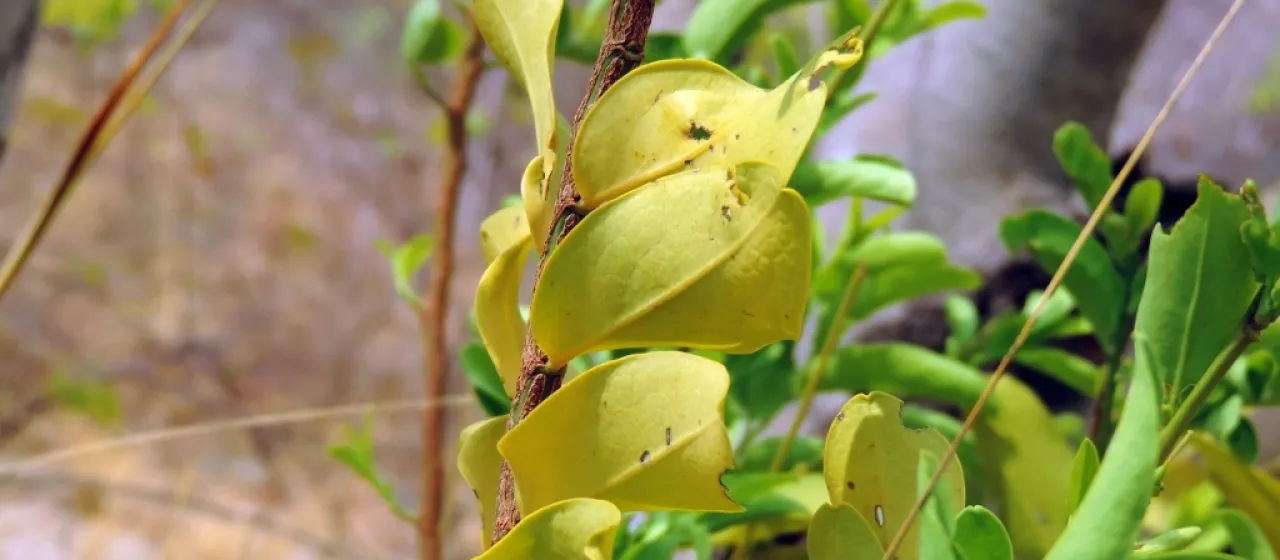
Description
Olax obtusifolia is a plant species belonging to the Olacaceae family. This genus is primarily known for its presence in tropical regions, where it has evolved to thrive in diverse forest ecosystems. While it is not typically categorized as a mass-market commercial crop, it remains a significant botanical subject for those interested in tropical biodiversity and specialized cultivation.
The native range of this species is centered primarily in parts of India and surrounding tropical areas. It is naturally adapted to climates where temperature levels remain high throughout the year. The plant typically occupies niches in secondary forests or wooded areas, exhibiting a high degree of ecological plasticity within its indigenous environment.
Botanically, Olax obtusifolia manifests as a shrub or a small tree characterized by its distinctively blunt-tipped, leathery leaves. The plant exhibits typical features of the Olacaceae family, including specialized root structures and a growth pattern that allows it to maximize light absorption in varying canopy densities. These traits assist the plant in maintaining health even under competitive conditions.
Cultivation requirements for this species are focused on creating a stable, warm environment with well-draining soil. It is highly sensitive to waterlogged conditions, which can be detrimental to its root system. For successful growth in an agricultural or garden setting, a balance of controlled irrigation and high-quality organic fertilizer is recommended, along with protection from harsh direct wind.
The economic and agricultural utility of Olax obtusifolia is largely traditional. It is utilized in local practices for its potential medicinal properties or as a source of raw botanical material. Typical pests affecting this species include various tropical defoliators and wood-boring insects, while fungal pathogens may emerge if the humidity levels exceed the plant's tolerance range during the wet season.