
Description
Olinia cymosa is a distinguished evergreen tree belonging to the family Oliniaceae. Often referred to as the mountain hard pear, it is highly regarded for its robust structure and dense foliage. As a horticultural subject, it provides significant aesthetic value in suitable temperate and subtropical garden settings.
The species originates from the southern regions of Africa, where it naturally occurs in high-altitude forests, along riverbanks, and in shaded ravines. Its distribution is closely linked to environments that offer consistent moisture and moderate temperatures. In global horticulture, it remains a specialty plant primarily found in botanical collections and specialized arboretums.
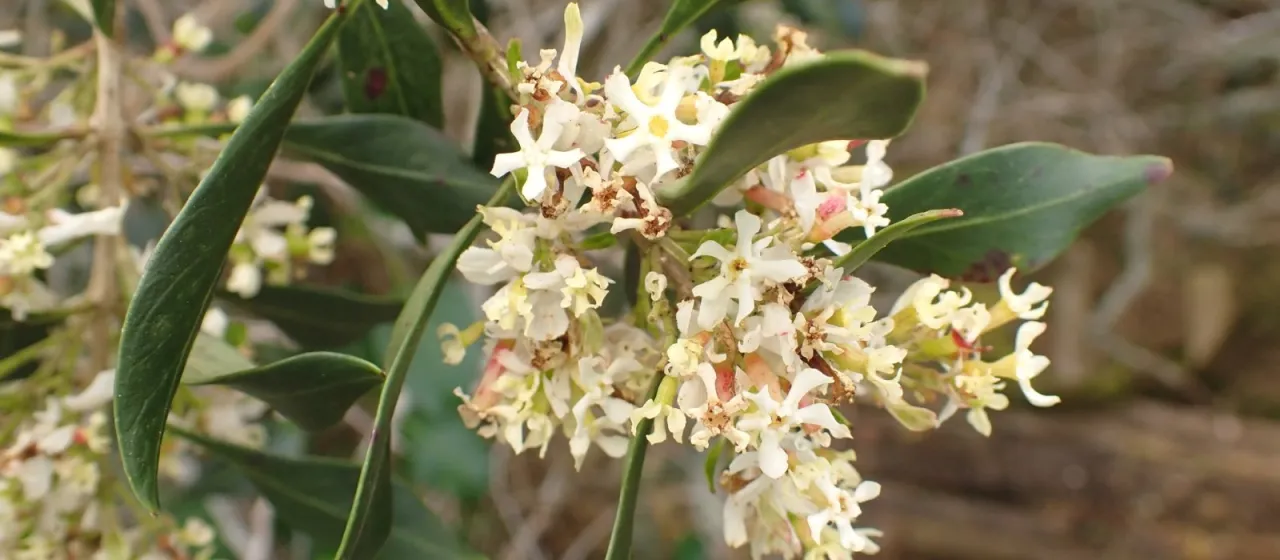
Botanically, Olinia cymosa is recognized by its opposite, leathery leaves and small, fragrant flowers arranged in compact cymes. The bark often develops a unique texture as the tree matures, adding to its year-round appeal. The small, berry-like fruits are vital for local biodiversity, providing a reliable food source for various bird species in its native habitat.
Successful cultivation requires well-drained, nutrient-rich soils that can retain moisture without becoming waterlogged. While it prefers partial shade in warmer climates, it can adapt to various light conditions once established. Essential agronomic practices include routine irrigation during dry spells and the application of organic mulch to maintain root health and stable soil temperatures.
- Adaptation to diverse, well-draining soil types.
- Moderate pruning is encouraged to maintain shape.
- Requirement for frost protection in colder zones.
- Resilience against most common ornamental pests.
The primary utility of Olinia cymosa lies in landscape gardening and ecological restoration efforts. Its sturdy growth habit makes it an excellent candidate for windbreaks or as a specimen tree in large gardens. Historically, its timber was utilized for tool handles and artisanal crafts due to its density and fine grain, highlighting its historical significance in local forestry practices.