
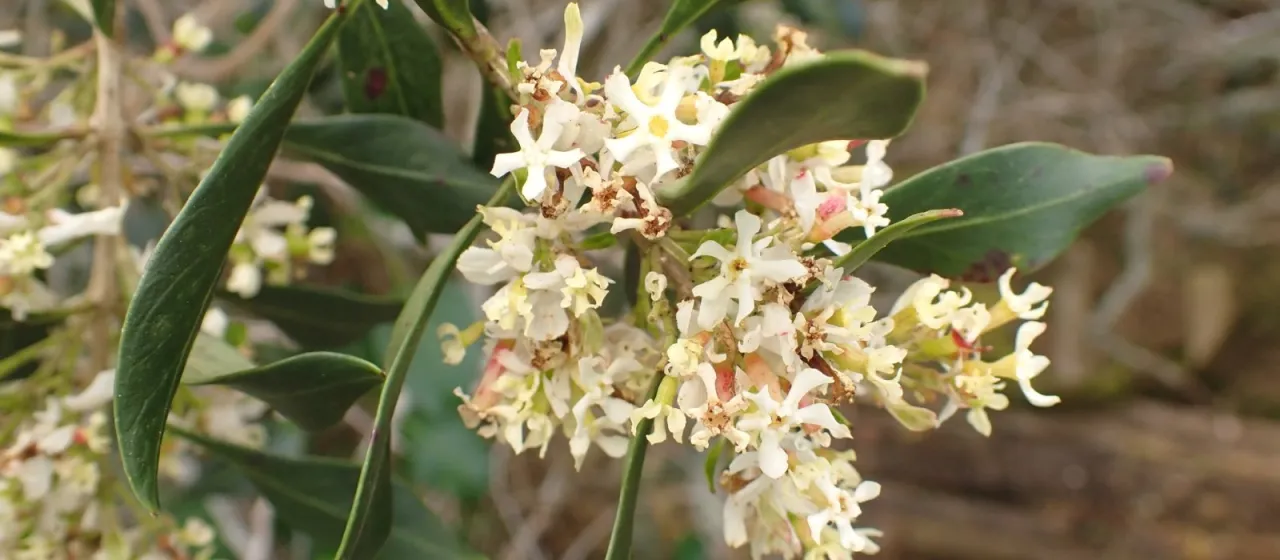
Description
Olinia ventosa is a robust evergreen tree belonging to the Oliniaceae family. Known for its dense and glossy foliage, this species is highly valued in its native habitats for its structural presence and long-lasting beauty throughout the year, making it a prominent feature in various landscapes.
The origin of this culture is rooted in the southern and eastern regions of South Africa. It typically grows in forested areas, along riverbanks, and on mountain slopes. Its natural distribution demonstrates an evolutionary adaptation to specific moisture levels and sheltered environments that protect the plant from extreme weather events.
Botanically, Olinia ventosa is distinguished by its leathery, opposite leaves and small, fragrant flowers that appear in clusters. These flowers generally display white or pale pink tones. As the season progresses, the tree produces small drupes that change color upon maturity, providing significant ecological value to local bird populations.
Successful cultivation of this species requires well-drained, nutrient-rich soil. While the tree is quite versatile, it thrives best in locations that provide partial to full sun exposure. Essential agronomic practices involve maintaining a consistent watering schedule while ensuring the soil does not become waterlogged, as poor drainage is a primary cause of root health issues.
- Excellent response to pruning, making it ideal for hedge shaping.
- Drought tolerance once the root system is well-established.
- The benefit of applying mulch to maintain consistent soil temperatures.
In terms of хозяйственное (economic/landscape) use, the primary focus is on horticultural and landscape architecture. It is an excellent choice for windbreaks, ornamental hedging, and large garden displays. Although the wood is dense and durable, its use is largely artisanal rather than commercial due to the tree's ornamental value.
Common pests and diseases typically involve fungal infections triggered by excessive moisture or stagnant air around the canopy. Pests like scale insects may occasionally infest the plant, particularly if it is under stress. Proper site selection, regular monitoring, and early intervention with organic treatments are key to maintaining a healthy specimen.