
Description
Operculicarya hyphaenoides is a distinctive plant species belonging to the Anacardiaceae family. Renowned for its unique caudex—a thickened, water-storing stem—this plant is highly prized among succulent enthusiasts and collectors of rare botanical specimens worldwide.
Native to Madagascar, this species has evolved in arid and rocky environments. Its natural habitat dictates its physiological needs, making it a highly resilient plant when grown under conditions that mimic its original climate. It is primarily utilized as a decorative element in indoor landscaping and as a subject for the art of bonsai.
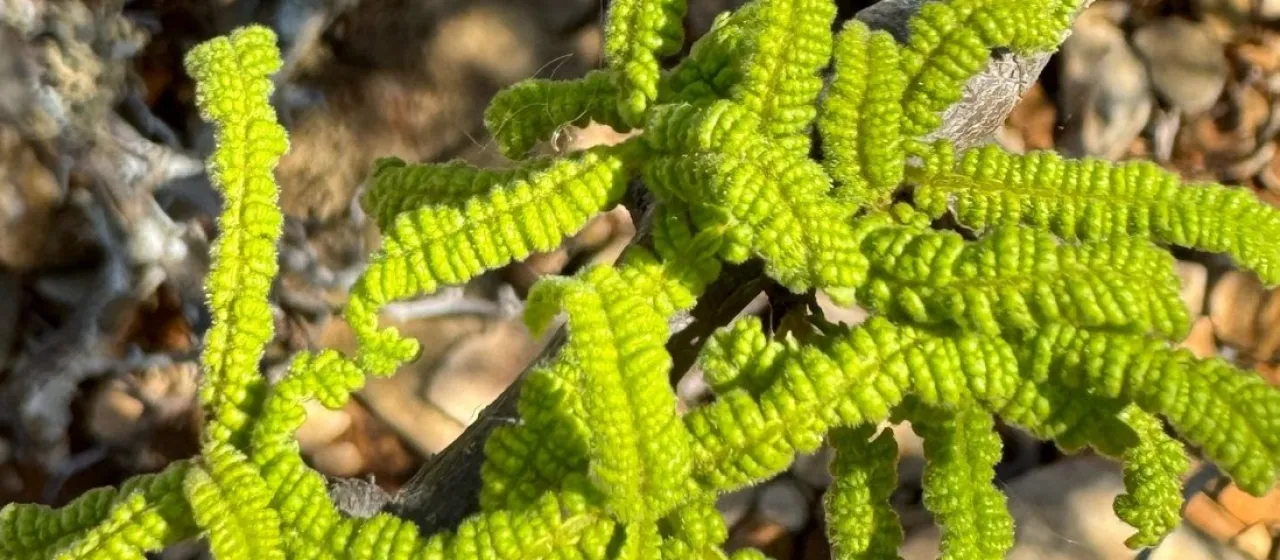
The botanical structure of Operculicarya hyphaenoides features compound, small leaves and a gnarled, architectural trunk. This aesthetic quality makes it an excellent choice for ornamental cultivation. Its slow growth rate requires patience, but it rewards the grower with a long-lived, sculptural plant that evolves significantly over time.
Cultivation requirements focus on creating the right balance of light and drainage. The plant thrives in bright, indirect light and requires a fast-draining, mineral-based substrate to prevent root rot. Careful management of the watering schedule is essential, especially during the dormant season, when growth naturally slows down.
While the plant is hardy, it can be susceptible to common pests such as spider mites and mealybugs, particularly in low-ventilation environments. Regular maintenance involves monitoring the foliage and ensuring the growing medium remains free of excessive humidity to preserve the integrity of the caudex and root system.