
Description
Operculicarya pachypus is a fascinating succulent species belonging to the Anacardiaceae family. Renowned for its thickened, water-storing trunk known as a caudex, this plant is a highly sought-after specimen for collectors of rare, drought-tolerant desert flora that mimics the aesthetics of natural bonsai trees.
The plant originates from the arid and rocky landscapes of Madagascar. Because of this natural habitat, it has evolved extreme resilience to high temperatures and prolonged periods without rainfall, making it a specialized subject for growers interested in succulent ecology.
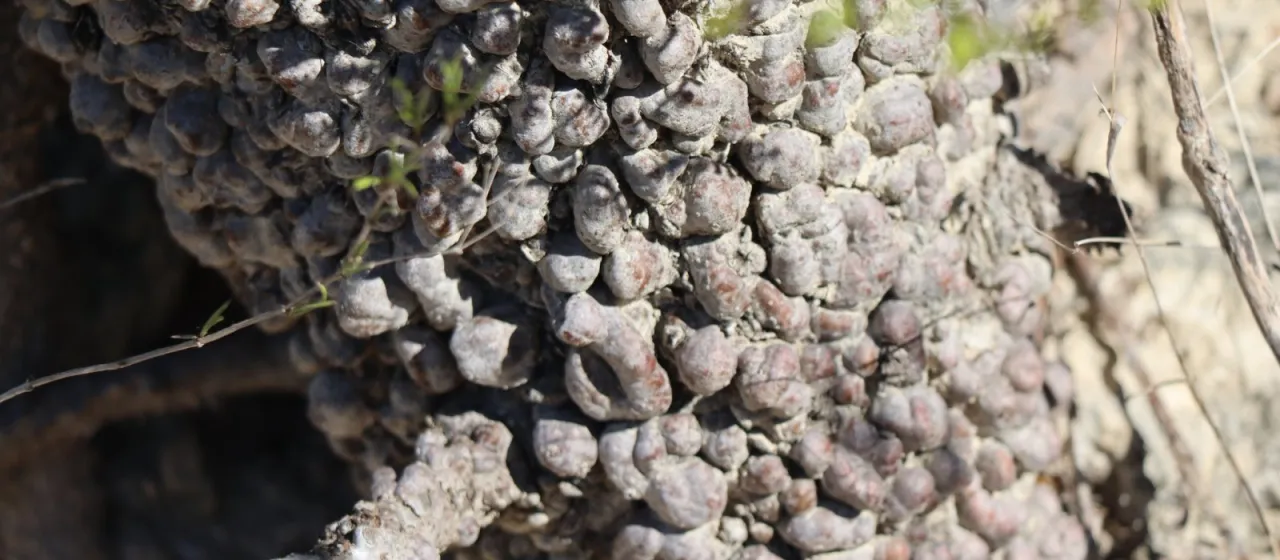
Botanically, it is characterized by slow growth and a gnarled, textured bark on the caudex. Its branches are delicate and adorned with small, pinnate leaves. Over time, the plant develops an intricate structure, which is highly appreciated in landscape design and indoor botanical collections for its sculptural quality.
Agricultural requirements focus on providing high-intensity light and exceptional drainage. A mineral-based substrate, such as a mix of pumice, grit, and coarse sand, is essential to prevent root rot. During the growing season, watering should be thorough but only after the soil has completely dried out.
Typical plant health issues involve pests like spider mites and mealybugs, which thrive in stagnant, dry conditions. To maintain vigor, owners should ensure adequate air circulation and maintain a strict dry-rest period during the winter months, allowing the plant to enter dormancy safely without overwatering.
- Light requirement: Full sun exposure.
- Soil type: Highly porous, mineral-based succulent mix.
- Watering: Sparse, restricted in winter.
- Pest management: Regular inspection for mites.