
Description
Ophioglossum pendulum is a fascinating epiphytic fern species belonging to the Ophioglossaceae family. Known for its distinct pendulous growth habit, this plant is a rare and highly sought-after specimen among botanical enthusiasts and collectors of tropical flora.
The plant originates from the tropical regions of Southeast Asia, Polynesia, and Northern Australia. In its natural habitat, it thrives as an epiphyte on tree trunks, where it utilizes high atmospheric humidity and the organic debris collected in tree crevices to sustain its growth, effectively minimizing the need for deep soil rooting.
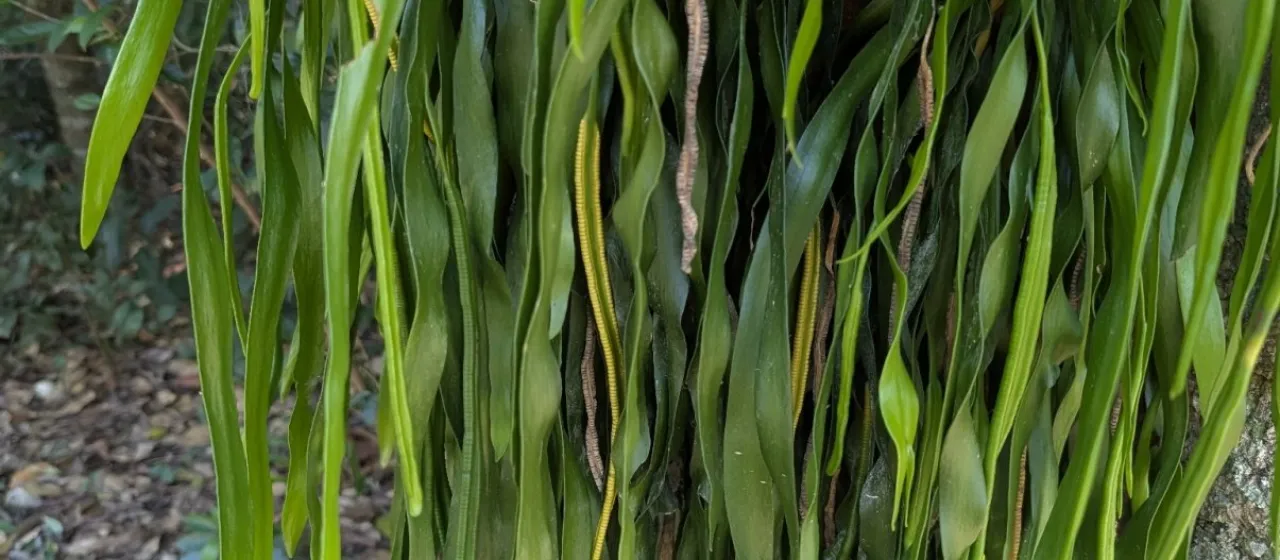
Botanically, the plant is recognized by its long, ribbon-like fronds that hang downward, creating a cascading appearance. A defining characteristic is the presence of fertile, spike-like sporophores that protrude from the leaves, which set it apart from the more common fern species typically found in agriculture or landscaping.
Cultivation requires replicating a tropical microclimate. Essential horticultural practices include maintaining high humidity levels, consistent temperatures, and providing an exceptionally well-draining epiphytic medium such as a mixture of orchid bark, sphagnum moss, and charcoal, which ensures optimal root aeration and prevents compaction.
In terms of plant health, Ophioglossum pendulum is susceptible to root rot if the substrate remains waterlogged. Common pests include scale insects and mealybugs, which can be managed through regular inspection and maintaining proper air circulation. While not a conventional agricultural crop, it holds significant value as a ornamental subject in specialized conservatory settings.