
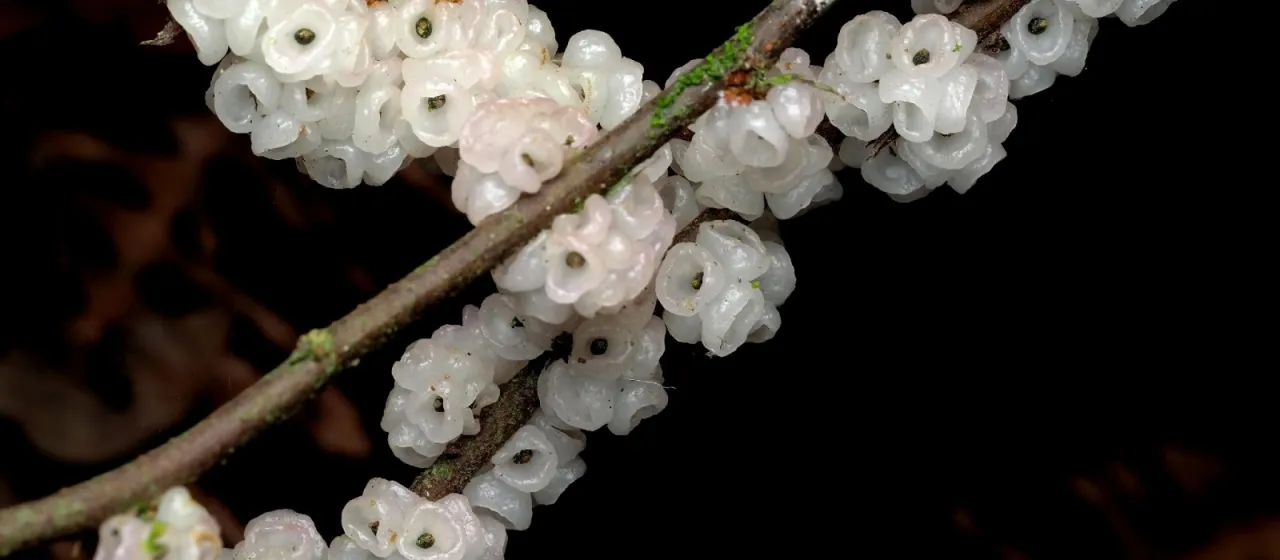
Description
Oreocnide frutescens is a perennial shrub species belonging to the Urticaceae family. Renowned primarily for its fibrous bark, this plant has played a historical role in various Asian agricultural systems as a source of high-quality textile fibers, often used for ropes and heavy-duty fabric production.
Originating from the tropical and subtropical regions of Asia, including the Himalayan foothills and Southeast Asia, this species is naturally adapted to forest environments. It thrives in humid conditions and can be found growing in the understory, where it benefits from the shelter of larger canopy trees while maintaining steady growth rates.
Botanically, Oreocnide frutescens features a woody, upright habit with well-developed stems that house the fiber-rich phloem tissues. The leaves are typically alternate and simple, adapted to capture light in moderate-shade environments. Its ability to regenerate from the roots after harvesting makes it a sustainable crop for long-term production cycles.
Agricultural requirements for Oreocnide involve maintaining consistently high soil moisture and utilizing fertile, well-draining soils. The plant is sensitive to prolonged drought and extreme cold, requiring a stable, warm climate for optimal fiber development. Intensive cultivation usually involves row planting with regular irrigation and organic nutrient application to maximize biomass production.
The primary economic use of this culture lies in its potential for natural fiber extraction. The durability of the harvested fiber makes it a suitable raw material for the textile and manufacturing industries. As global interest in sustainable and biodegradable materials increases, Oreocnide frutescens is gaining recognition as a viable alternative to synthetic fiber sources in local regional economies.
- Pests: Generally resistant due to chemical defense mechanisms in its tissues.
- Diseases: Fungal pathogens such as mildew may occur in stagnant, low-airflow environments.
- Processing: Involves mechanical decortication of the stems after harvesting.