
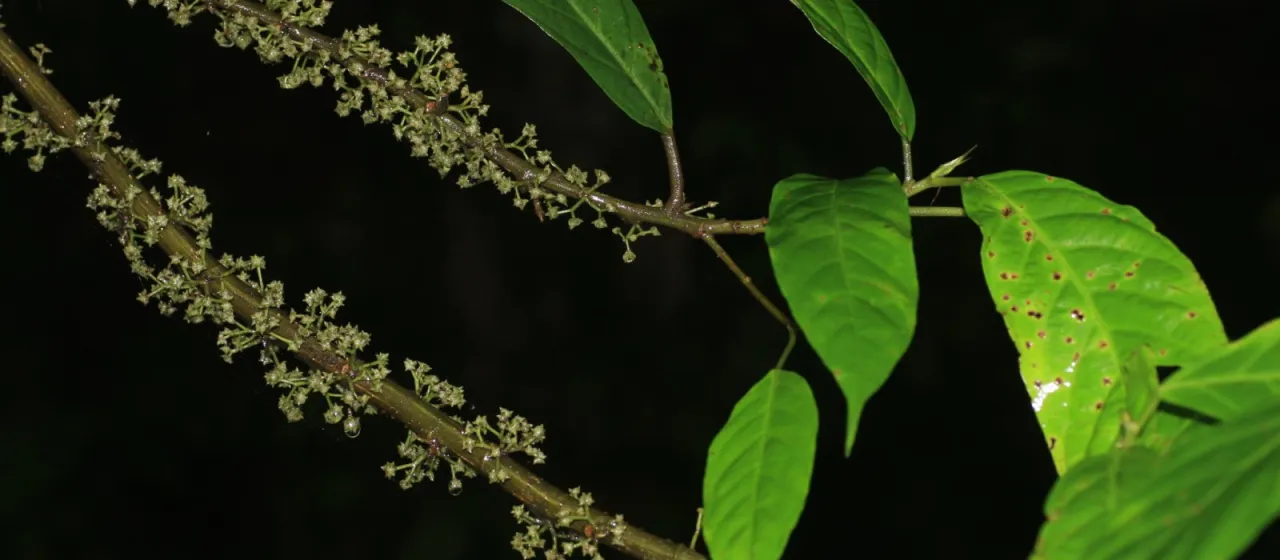
Description
Oreocnide integrifolia is a perennial woody plant species belonging to the Urticaceae family. Often overshadowed by other industrial fiber crops, this plant represents a valuable resource for natural, high-strength fibers. Unlike common stinging nettles, this species is non-stinging, making it easier to manage and harvest for industrial purposes in tropical and subtropical regions.
The native range of this plant extends across parts of the Himalayas, Southern China, and Southeast Asia. It typically thrives in humid forest understories and riverine valleys where the soil is rich and moisture levels are consistently high. These environmental conditions are critical for its vegetative development, and it requires a similar environment when introduced into agricultural cultivation.
Botanically, Oreocnide integrifolia is characterized by its woody, erect stem structure and simple, entire leaves. The plant invests significantly in its vascular tissue, which is the source of the desirable bast fibers. Its root system is robust and deep, allowing the plant to stabilize the soil effectively while extracting essential nutrients for continuous seasonal growth.
In terms of agricultural management, the crop prefers fertile, well-drained loamy soils. Irrigation is essential in regions where rainfall is seasonal, as the plant demands stable soil moisture to maintain its growth rate. Agronomic practices include periodic pruning to promote the development of long, straight stems and careful weed control during the early stages of plant establishment to ensure maximum fiber yield.
The primary economic utilization of this plant is centered on its bast fibers, which are highly valued for their exceptional tensile strength and resistance to environmental degradation. These fibers have historically been utilized for cordage, fishing nets, and durable textiles. Additionally, research explores its viability as a sustainable feedstock for pulp and paper production, aligning with modern industrial needs for biodegradable materials.
- High-tensile strength bast fibers
- Suitability for sustainable cultivation systems
- Resistance to local pests in its natural habitat
- Potential for paper and textile industry integration