
Description
Orthosiphon serratus is a perennial herb or subshrub belonging to the Lamiaceae family. It is a distinct species within the Orthosiphon genus, characterized by its serrated leaf margins, which clearly differentiate it from the more common medicinal species, such as Orthosiphon stamineus.
The plant originates from the tropical and subtropical regions of Southeast Asia. It thrives in humid environments and naturally occurs in forest clearings and foothills. Due to its tropical origins, it requires a warm, frost-free climate, making it suitable for specialized greenhouse cultivation or controlled environments in temperate regions.
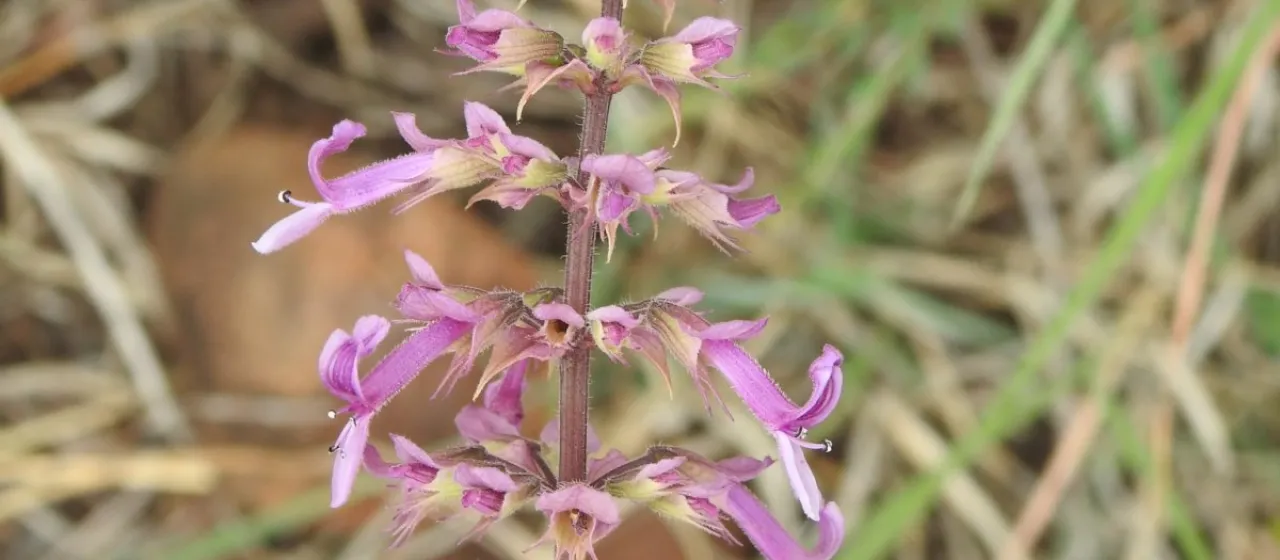
Botanically, the plant features square stems and opposite leaves. Its most distinctive characteristic is the inflorescence, consisting of racemes with flowers that have elongated stamens. These stamens give the plant an elegant appearance and play a crucial role in its reproductive cycle by attracting specific pollinators.
To ensure healthy growth, the following agronomic conditions must be met:
- A well-draining, nutrient-rich soil medium with a slightly acidic to neutral pH.
- Consistent irrigation to maintain constant soil moisture without causing waterlogging.
- Exposure to bright, indirect sunlight to promote leaf development.
- Strict temperature control, ideally keeping the environment above 20°C.
The primary economic use of Orthosiphon serratus is in the pharmaceutical industry. The leaves contain specialized phytochemicals, including flavones and essential oils, which are utilized for their diuretic and anti-inflammatory properties. When cultivating this species, growers must monitor for common pests such as spider mites and aphids, and implement effective drainage systems to prevent root rot, which is the most common pathology in this crop.