
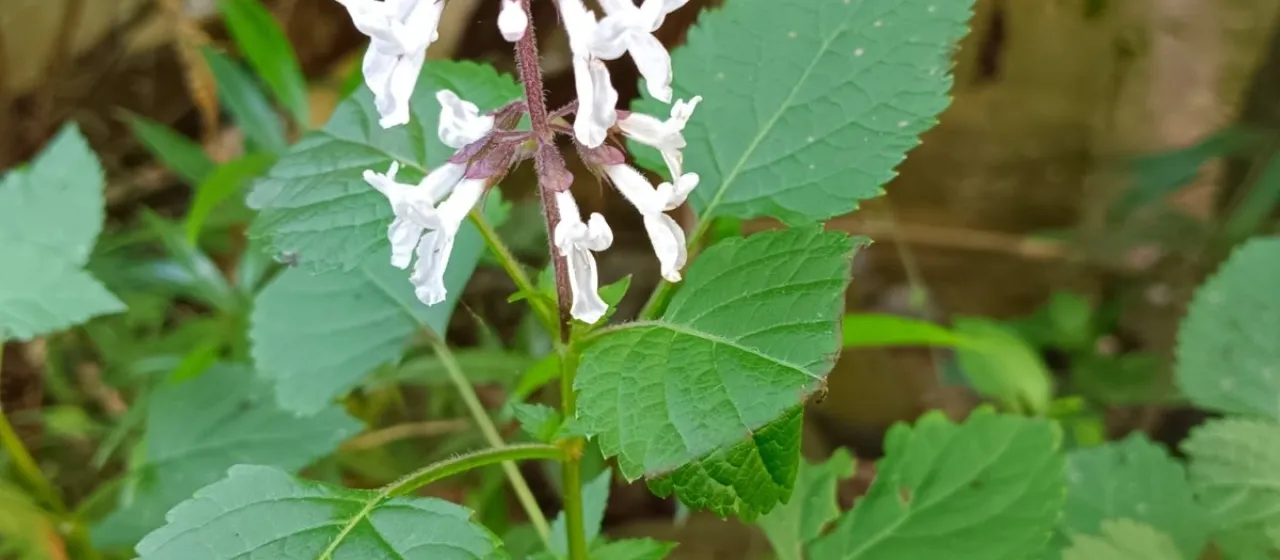
Description
Orthosiphon spiralis is a perennial herb belonging to the Lamiaceae (mint) family. In agronomy, this plant is recognized primarily for its medicinal properties and its role in herbal medicine, often referred to in various regions as a component of kidney tea, similar to its closer relative, Orthosiphon stamineus.
The plant originates from the tropical regions of Southeast Asia. It thrives in humid environments and requires consistent warmth to complete its life cycle. In modern agriculture, it is cultivated in equatorial and tropical zones where the climate remains stable throughout the year, as the plant is highly sensitive to frost and cold winds.
Botanically, Orthosiphon spiralis is characterized by its square stems and oppositely arranged leaves. The inflorescence is the most distinctive part of the plant, featuring tubular flowers with long, protruding stamens that create a unique, spiral-like aesthetic. It can grow as a semi-shrub, reaching a height of 50 to 100 centimeters depending on the soil fertility and management practices.
Successful production requires well-drained, nutrient-rich soils with a slightly acidic to neutral pH. Agricultural management involves high-frequency irrigation, as the plant cannot tolerate prolonged drought. It also benefits from partial shade in extremely hot climates to prevent leaf scorch and ensure the optimal accumulation of secondary metabolites required for pharmaceutical purposes.
The primary economic value lies in the harvesting of leaves and shoots, which are used for their diuretic and anti-inflammatory properties. Typical agricultural challenges include fungal infections, such as powdery mildew or root rot in waterlogged soils, as well as pest attacks from mites and whiteflies, which are managed through integrated pest management systems focused on ecological safety.