Description
Bloomer's ricegrass (Oryzopsis bloomeri), taxonomically reassigned as Achnatherum bloomeri, is a perennial bunchgrass belonging to the Poaceae family. This species is highly valued in rangeland management and restoration ecology due to its exceptional hardiness and survival capabilities in semi-arid environments.
Originating from the western regions of North America, this grass is naturally distributed across arid shrublands and stony slopes. Its adaptation to harsh climates allows it to thrive in nutrient-poor, well-drained soils where most traditional agricultural crops would fail. It plays a significant role in stabilizing topsoil and maintaining biodiversity in dryland ecosystems.
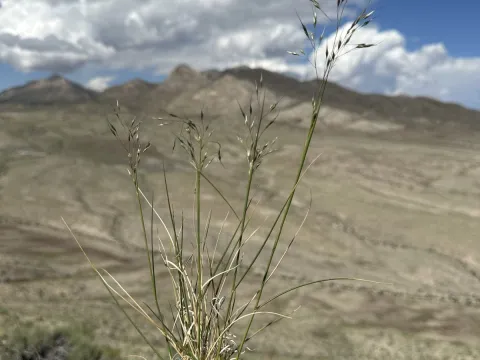
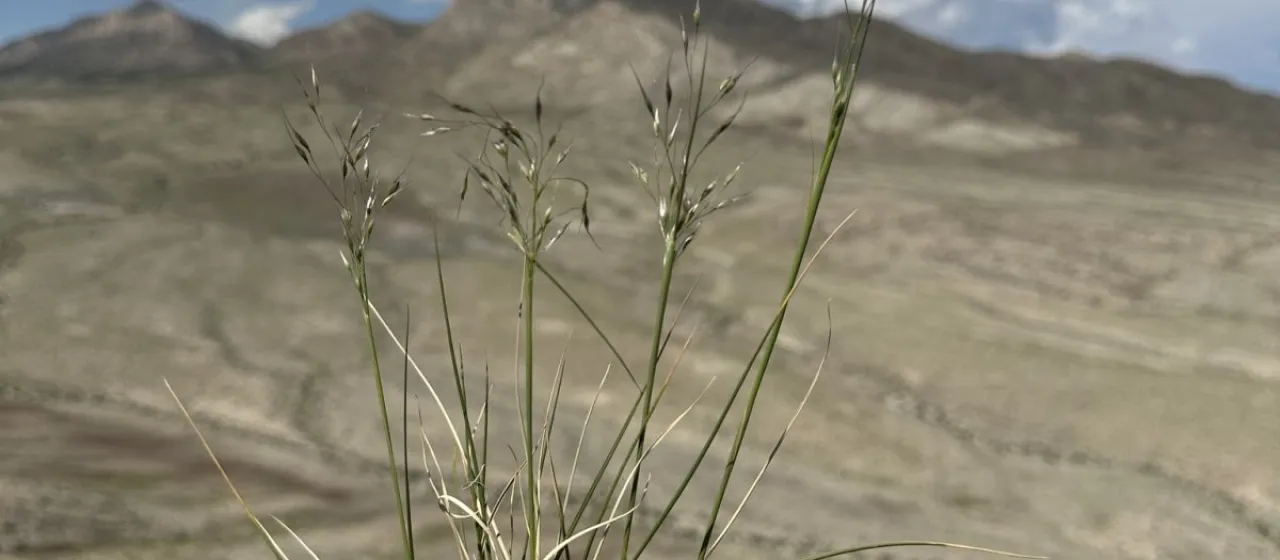
The plant features a dense, clumping growth habit with narrow, tough leaves designed to minimize water loss. The root system is deep and expansive, providing the grass with access to deep-seated moisture during summer droughts. Its reproductive structure, a loose panicle, produces seeds that remain viable for several seasons, ensuring population persistence in fluctuating climates.
Cultivation of Oryzopsis bloomeri requires minimal intervention, though proper site selection is critical. It performs best in full sun on soils with excellent drainage. Agronomists recommend planting during the early spring or late autumn when soil temperatures favor seed germination. Fertilizer application should be conservative, as excessive nitrogen can encourage weed competition and reduce the vigor of the bunchgrass.
The primary use of this grass is as high-quality forage for livestock and wildlife, particularly during the transition seasons when other forage is scarce. Disease monitoring is usually focused on rust fungi during wet springs, and pest control is rarely required due to the plant's natural toughness. Proper rotational grazing management is the best way to maintain the health and longevity of these stands.
Photo gallery