Description
Osteomeles anthyllidifolia is an evergreen shrub or small tree belonging to the Rosaceae family. This species is recognized for its unique foliage and its capacity to thrive in diverse and often harsh environmental conditions, making it an intriguing specimen for botanists and horticultural enthusiasts worldwide.
Originating from the islands of the Pacific and parts of East Asia, the plant is typically found in coastal areas and on rocky slopes. This natural distribution has endowed the species with remarkable wind tolerance and the ability to withstand salt spray, which are key traits for coastal landscaping projects.
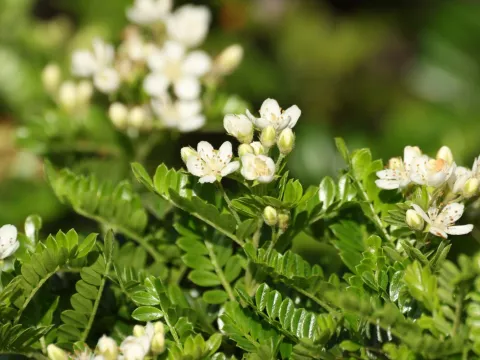
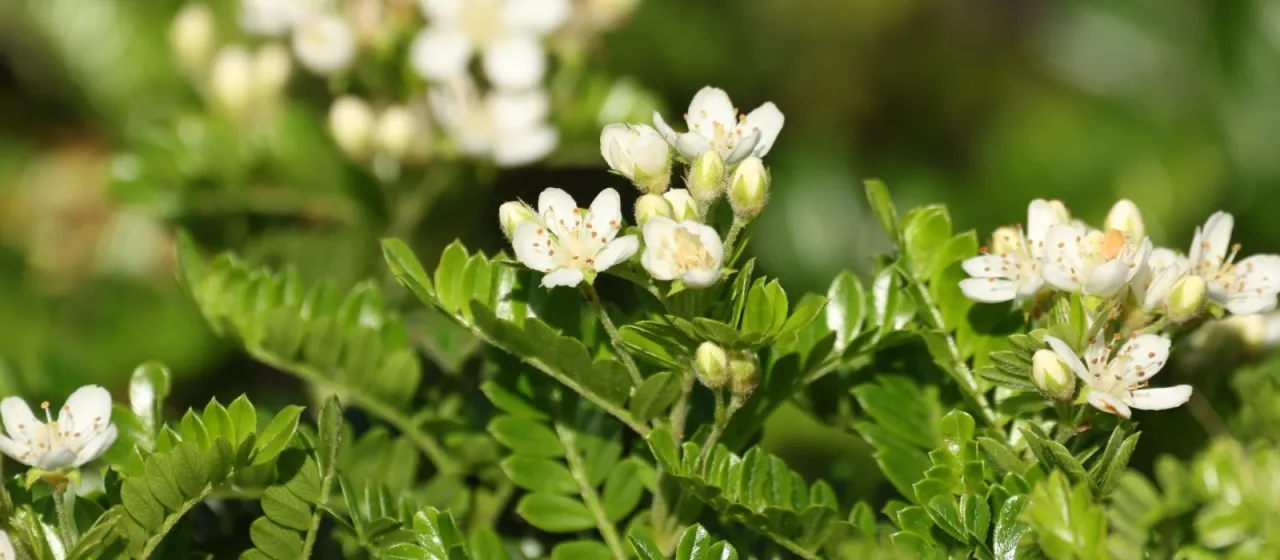
The plant features pinnate leaves with numerous small leaflets, giving it a delicate, fern-like appearance. During the blooming season, the shrub produces clusters of fragrant, white, rose-like flowers. These are followed by small, dark, berry-like fruits that provide ecological value by attracting local bird species.
From an agronomical perspective, successful cultivation requires well-drained soil and plenty of direct sunlight. The species is highly sensitive to waterlogged conditions, which can lead to root rot; therefore, drainage is the most critical factor in soil preparation. It is relatively drought-tolerant once established and does not demand high levels of fertilization.
In terms of usage, Osteomeles anthyllidifolia is widely valued in landscaping for erosion control on slopes and as an ornamental plant. It is particularly renowned in the world of bonsai, where its slow growth rate, natural twiggy structure, and ability to be trained into intricate shapes make it a highly sought-after subject for practitioners.
- High tolerance to coastal salt spray.
- Requires excellent soil drainage.
- Low nutrient demand.
- Ideal for bonsai cultivation.
- Slow and steady growth habit.
Photo gallery