Description
Osteomeles schweriniae is a distinguished shrub belonging to the Rosaceae (Rose) family. Renowned for its delicate, fern-like foliage and clusters of white flowers, this plant is a prized specimen in horticulture. It is frequently categorized as an ornamental shrub, valued for its structured growth habit and ability to be shaped into various forms, including bonsai, due to its small leaf size and woody stems.
The plant originates from the mountainous regions of China, where it thrives in rocky, well-draining soils. Its natural habitat is characterized by sunny slopes and temperate-to-warm conditions. In broader agricultural cultivation, it is primarily found in botanical gardens or specialized nurseries in regions that can provide mild winters, as the species is sensitive to extreme frost and prolonged freezing temperatures.
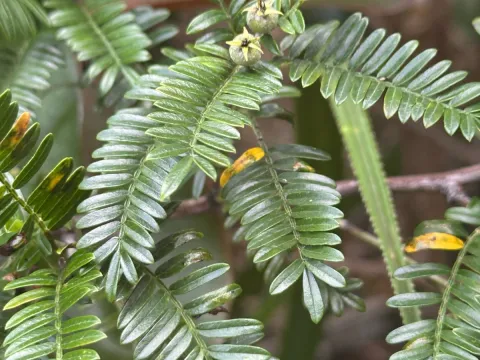
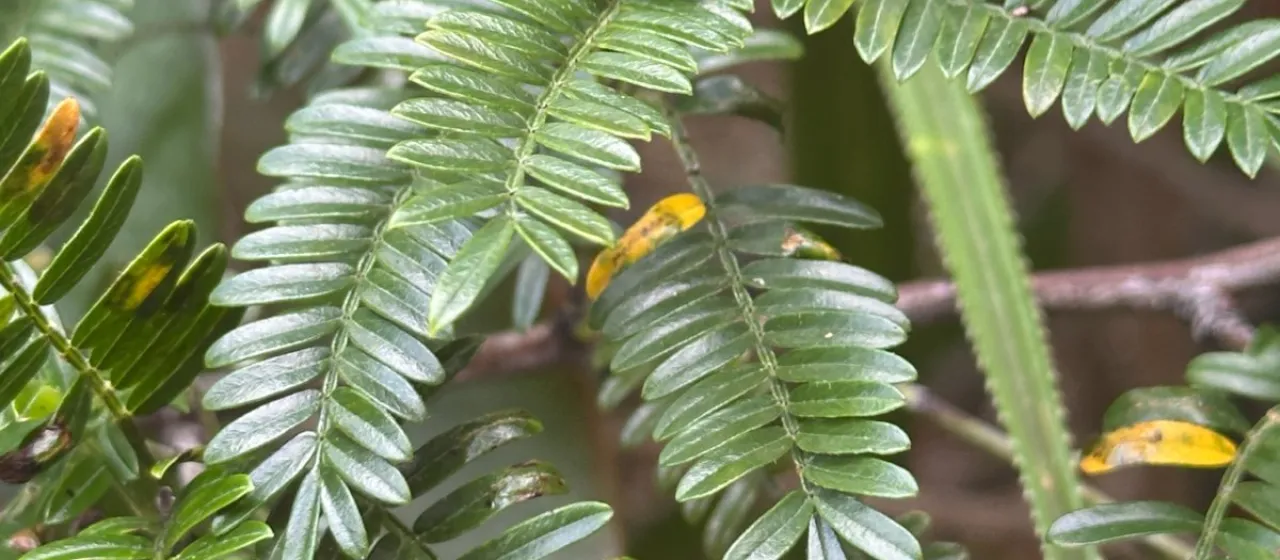
Botanically, Osteomeles schweriniae is characterized by its pinnate leaves consisting of numerous tiny leaflets, which create a highly textured appearance. During the flowering stage, the plant produces abundant white blossoms that eventually develop into small, pomaceous fruits. These fruits are technically edible, though they are cultivated primarily for their decorative value, adding a seasonal aesthetic shift to the plant throughout the year.
Successful cultivation requires strict adherence to soil and moisture management. The plant demands well-aerated, slightly acidic to neutral soil. Proper drainage is the most critical factor to prevent root rot. Ideally, the plant should be placed in full sun to ensure optimal photosynthetic activity, which promotes denser branching and better cold hardiness. Regular, light pruning is recommended to maintain the desired shape and promote healthy air circulation within the canopy.
The primary use of this species remains in landscaping, particularly for Mediterranean-style gardens or rockeries. However, growers must be vigilant about specific health issues:
- Fungal pathogens such as powdery mildew in humid environments.
- Pest infestations including aphids that target succulent new growth.
- Chlorosis resulting from nutrient deficiencies in alkaline soils.
- Winter dieback if the plant is not protected from extreme cold.
- Root stress caused by over-irrigation or compact soil conditions.
Photo gallery