Description
Cape sumach (Osyris compressa) is a distinctive evergreen shrub belonging to the family Santalaceae. This species is categorized as a hemi-parasite, meaning it derives part of its nutritional requirements by tapping into the root systems of host plants while remaining photosynthetic, an evolutionary strategy that allows it to thrive in nutrient-poor soils.
The native range of this species is primarily concentrated in Southern Africa. It is commonly found in coastal scrublands, mountainous regions, and fynbos biomes. The plant has developed robust physiological mechanisms to endure the harsh, unpredictable rainfall patterns and high solar radiation typical of these geographic zones.
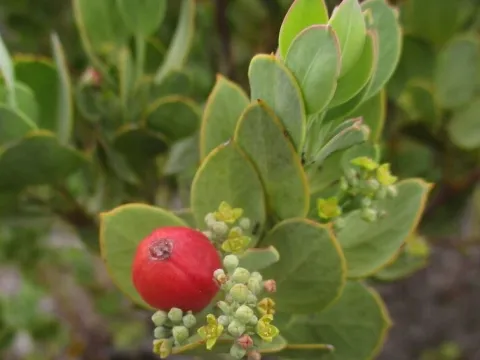
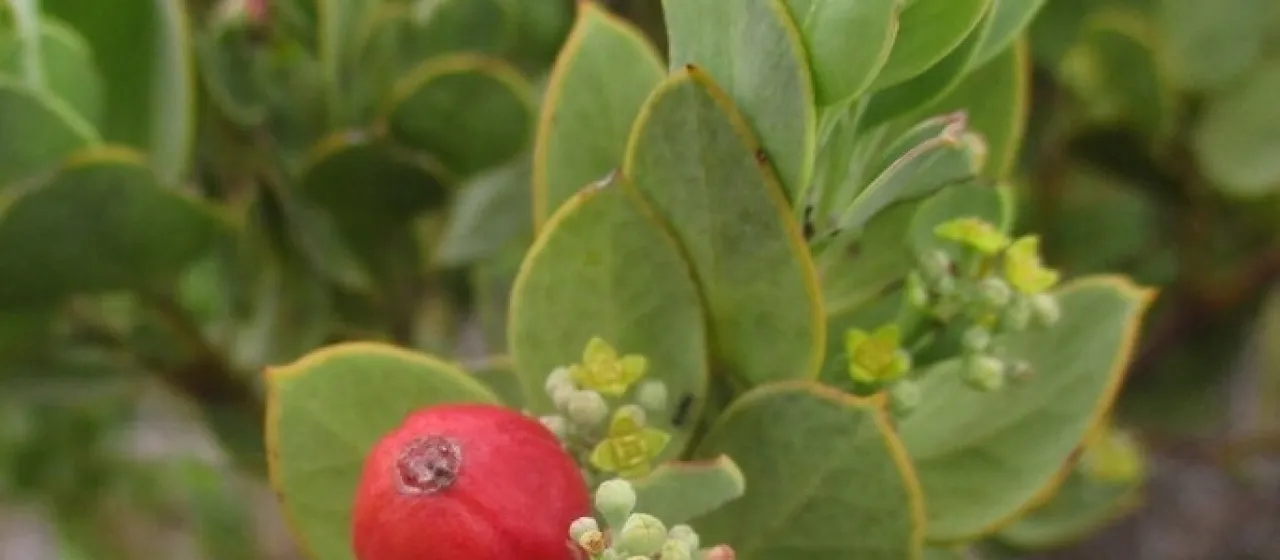
Botanically, it is characterized by its compressed, angular branches and leathery, grey-green leaves which act as an effective adaptation against water loss. Its flowers are small and relatively inconspicuous, while the fruit is a fleshy drupe that turns bright red or orange, serving as a vital food source for local bird populations which also act as seed dispersers.
Cultivation of Osyris compressa requires careful site selection, particularly regarding the availability of suitable host plants. It prefers well-drained, sandy or loamy soils. In horticultural practices, it is rarely grown as a standalone agricultural crop but is highly valued in environmental restoration projects aimed at rehabilitating degraded scrublands.
From a utilization perspective, the plant has limited commercial agricultural application but holds significant ecological importance. It is sometimes used for soil stabilization and as a structural element in native-plant garden designs. Historically, various parts of the plant have been utilized by indigenous populations for tanning and minor medicinal purposes.
Managing the health of Osyris compressa involves several considerations:
- Ensuring compatible host plants are present in the proximity.
- Avoiding waterlogged soil conditions to prevent root rot.
- Monitoring for specific herbivores that inhabit the Cape region and may target the foliage.
Photo gallery