Description
East African sandalwood (scientific name Osyris lanceolata) is a woody species belonging to the Santalaceae family. As a hemi-parasitic plant, it relies on root connections with host plants to obtain essential minerals and water, which is a unique physiological trait defining its ecological niche.
The species is native to diverse regions across Africa and parts of South Asia. Its natural habitat includes rocky hills, dry forests, and shrublands, where it has evolved to thrive in environments with low nutrient availability and high climatic variability.
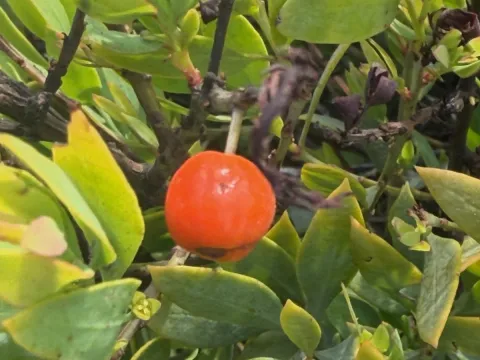
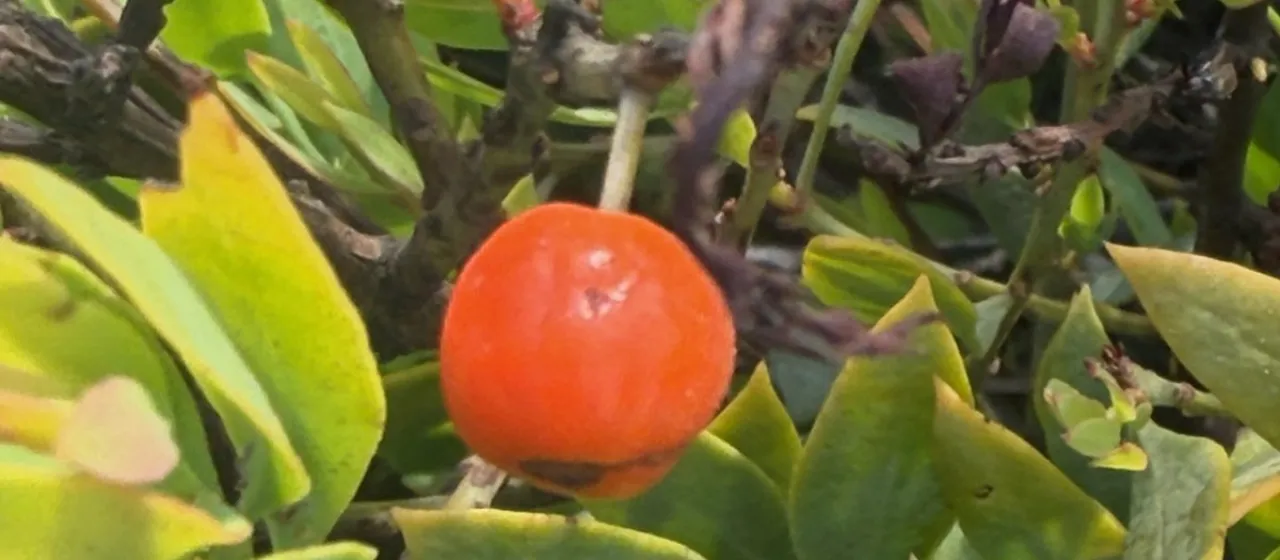
The plant is characterized by its evergreen foliage, lance-shaped leaves, and small, inconspicuous flowers. The fruits are drupes that turn from green to reddish as they mature. The root system is the most critical part of the plant, as it develops specialized haustoria to attach to the root systems of surrounding vegetation.
Cultivation practices for this species are complex and require the presence of suitable host plants in the immediate vicinity to ensure survival and growth. The soil should be well-drained and alkaline to neutral, while the location must receive ample sunlight to promote the accumulation of aromatic compounds in the heartwood.
The economic value of this culture is primarily driven by its fragrant wood and essential oils.
- Production of high-quality aromatic oils.
- Use in traditional and modern perfumery.
- Extraction of active ingredients for herbal medicine.
- Reforestation projects in arid areas.
Typical pests include wood-boring insects, while diseases are often associated with soil-borne fungi during periods of high humidity. Successful management requires an ecological approach, focusing on site selection and minimizing environmental stress to keep the plant resistant to pathogens.
Photo gallery