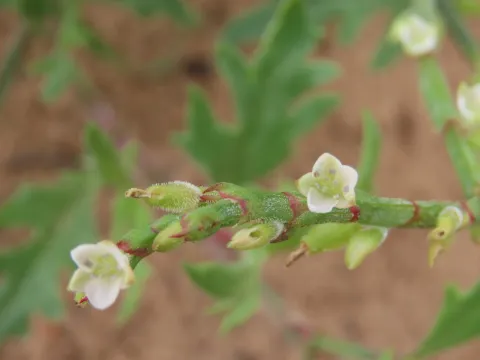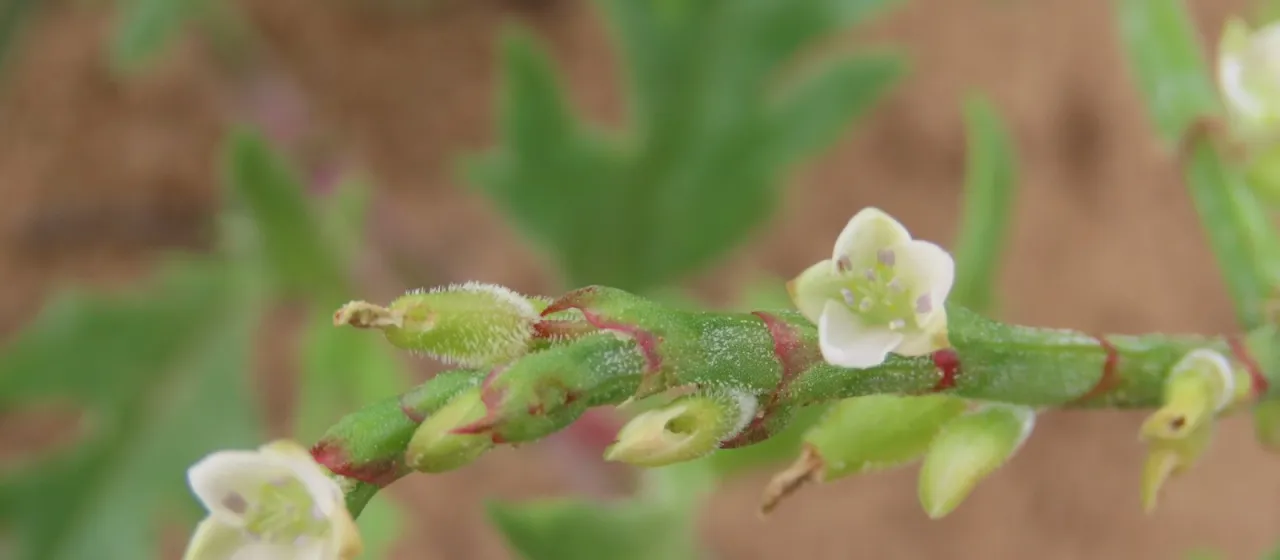
Description
Oxygonum alatum is a herbaceous plant belonging to the Polygonaceae family. This species is recognized for its adaptation to arid and semi-arid environments, making it a subject of interest for researchers focusing on resilient vegetation in regions prone to extreme environmental stress.
The plant originates from the arid zones of Eastern and Southern Africa. Its natural distribution is largely concentrated in savanna-like habitats where it thrives under conditions of high solar radiation and irregular rainfall. While not widely cultivated as a primary crop, it serves as a significant botanical resource in its endemic regions.
Botanically, Oxygonum alatum is defined by its distinctive winged fruits, which facilitate wind-based seed dispersal. The plant typically develops a robust root system, which is crucial for nutrient uptake in nutrient-poor soils. The leaves are generally lanceolate, adapted to minimize transpiration loss during intense heat cycles.
The agrotechnical requirements for this species are relatively simple due to its wild-type resilience. It thrives in well-drained, sandy soils and requires very little intervention in terms of fertilization. In an agricultural context, early-season sowing is recommended to capitalize on initial moisture, allowing the plants to establish before the onset of the peak dry season.
Regarding its хозяйственное use, Oxygonum alatum is primarily utilized as a supplemental forage source in nomadic and extensive pastoral systems. Typical pests include local insects that graze on Polygonaceae species, but the plant's overall resistance to pathogens remains a key factor in its survival.
- High drought tolerance
- Prefers sandy substrates
- Moderate forage value
- Low fertilizer dependency
Photo gallery