Description
Oxygonum dregeanum is a perennial herb belonging to the Polygonaceae family. This species is recognized for its unique physiological mechanisms that allow it to thrive in arid and semi-arid environments. In agricultural circles, it is considered a specialized crop, often studied for its resilience in challenging environmental conditions.
The plant originates from Southern Africa, where it inhabits savannahs and arid grasslands. Its native range is characterized by irregular rainfall and high evapotranspiration rates. Because of this, the plant is naturally selected to withstand long periods of drought, making it a focus for research on land reclamation in desertified regions.
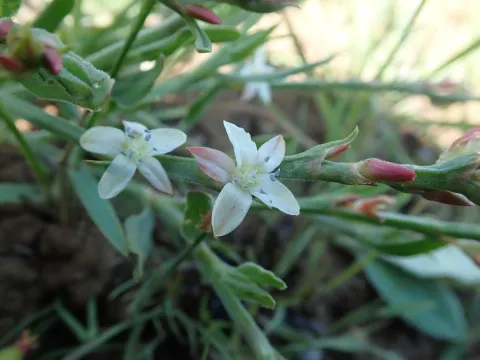
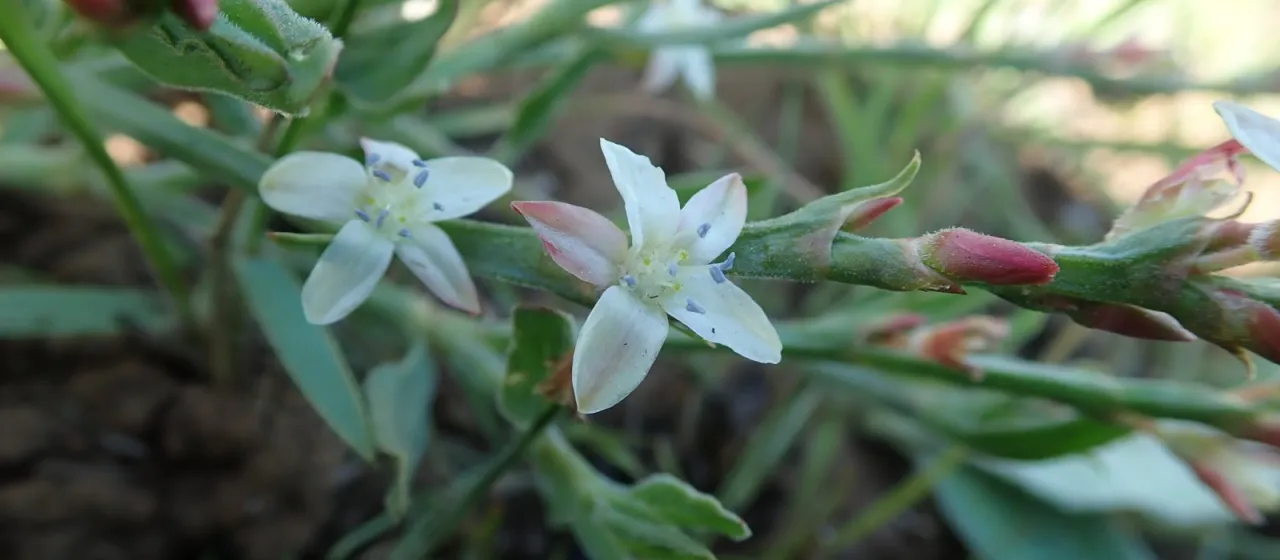
Botanically, Oxygonum dregeanum features a deep taproot system and narrow, xerophytic leaves. These traits are essential for maintaining water balance. The plant blooms with small, insect-pollinated flowers, ensuring its reproduction even when resources for growth are severely limited by the external climate.
Regarding cultivation requirements, the crop demands very specific conditions to thrive:
- Loose, sandy, or stony soil with high drainage capacity.
- Full exposure to sunlight throughout the day.
- Low soil moisture, particularly during the dormant stage.
- Avoidance of fertilizer-heavy environments that may compromise its natural resilience.
The economic utility of the plant is primarily centered on forage production and soil stabilization. It acts as an essential ground cover in areas prone to wind erosion. While it is rarely bothered by conventional pests, farmers must monitor for fungal issues that arise if the soil drainage is inadequate or if humidity levels remain high for extended periods.
Photo gallery