Description
Oxylobium racemosum is an evergreen shrub species that belongs to the family Fabaceae. Known for its distinct floral arrangements, this plant is a notable representative of Australian native flora, often prized for its ability to thrive in specific ecological niches.
The origin of this culture is restricted to specific regions of Australia. It primarily populates areas where the climate is temperate to warm, and it has evolved to survive in well-drained soils, often found in heathlands or open woodlands. Its natural distribution is a testament to its resilience in drought-prone environments.
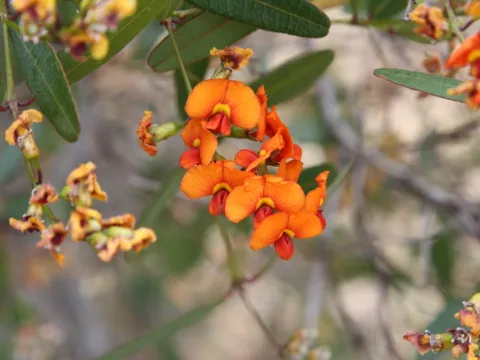
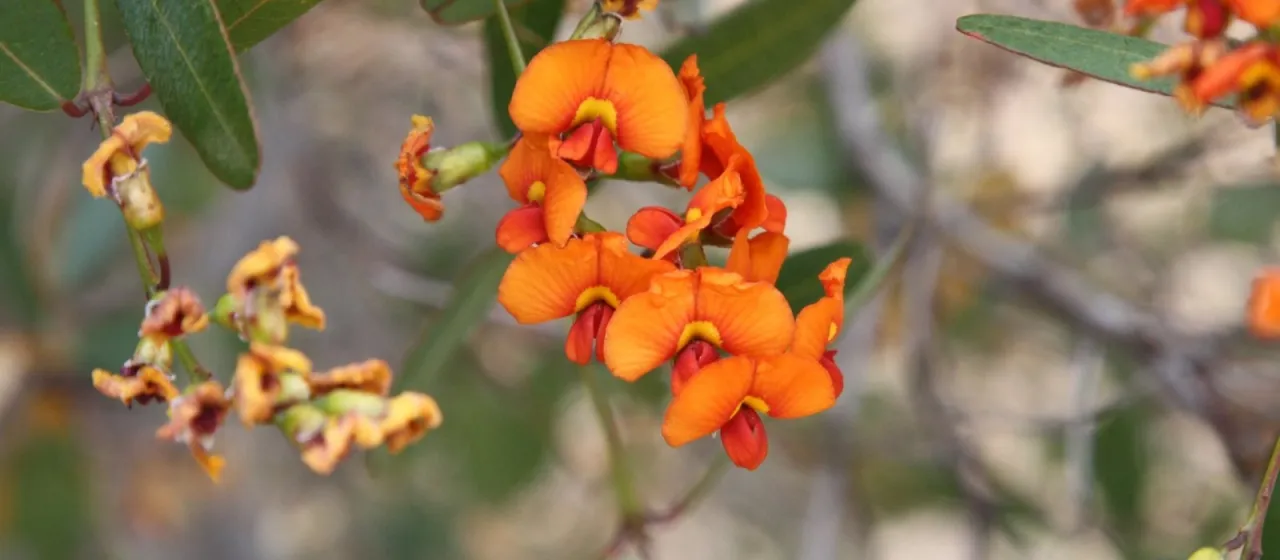
Botanically, the plant features simple leaves and characteristic pea-like flowers arranged in racemes, which give the species its specific name. The root system is highly adapted to nutrient-poor soils, frequently forming symbiotic associations with soil bacteria to facilitate nitrogen fixation, which supports its growth in challenging conditions.
Regarding agrotechnical requirements, Oxylobium racemosum demands full sun exposure and sandy or loamy soils with excellent drainage. It is crucial to avoid over-irrigation, as the root system is highly susceptible to fungal infections triggered by waterlogging. Mulching is recommended to maintain soil temperature stability.
In terms of economic and practical use, the plant is mainly utilized in professional landscaping and ornamental gardening for its attractive blooming period. Typical pests include spider mites and aphids, while common diseases involve root rot and various leaf spot fungi, which can be managed by maintaining proper plant spacing and airflow.
Photo gallery