Description
Oxylobium tetragonophyllum is a perennial evergreen shrub belonging to the Fabaceae (Legume) family. As a native of the Australian continent, this species is noted for its distinct morphological features and its ability to thrive in challenging soil environments. While not classified as a staple food crop, it serves as a specialized ornamental and ecologically significant plant in various horticultural applications.
The native distribution of this species is restricted primarily to eastern Australia, where it inhabits sandstone-based woodlands and scrublands. This geographic origin indicates a high tolerance for nutrient-poor substrates and erratic moisture availability. Consequently, its cultivation is most successful in regions where Mediterranean or subtropical dry climate conditions prevail.
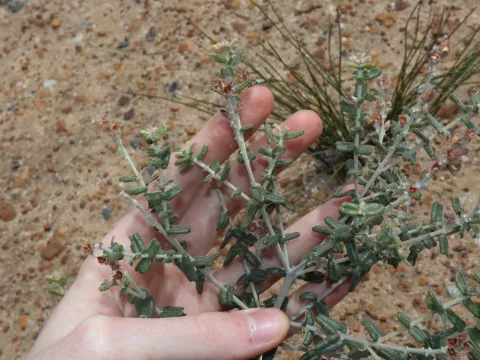
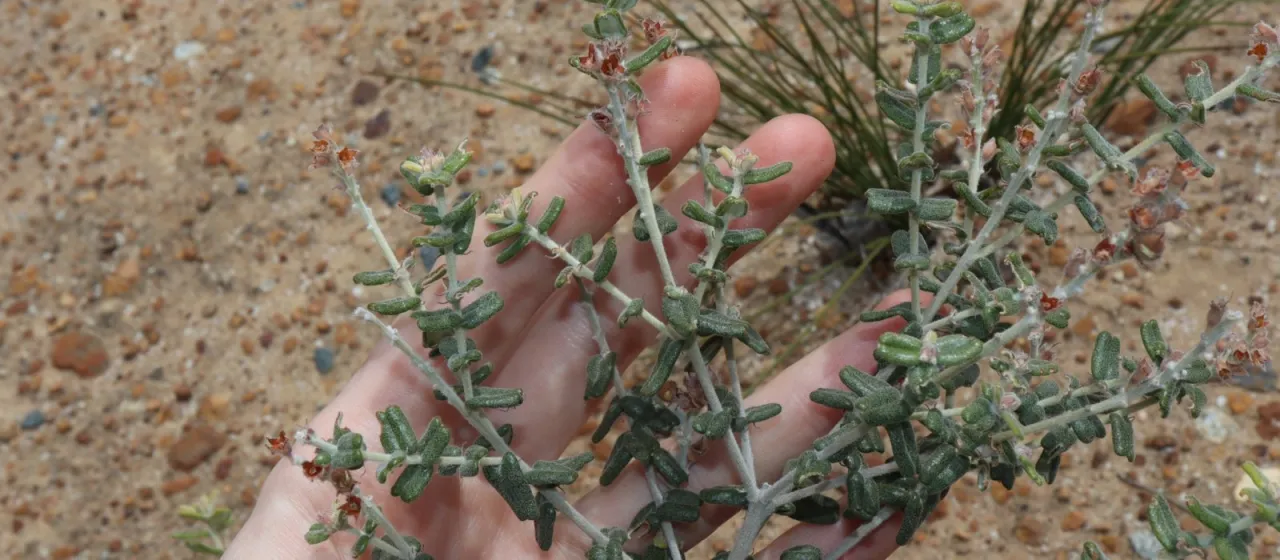
Botanically, the species is distinguished by its leaves, which are arranged in whorls of four, and its characteristically quadrangular stems. These features provide a unique texture to the plant's habit. The flowering phase produces vibrant, pea-shaped blooms that are a staple trait of the family, providing a significant visual impact and fostering local pollinator activity.
Cultivation requires careful attention to drainage, as the species is highly susceptible to fungal pathogens if grown in waterlogged conditions. The ideal soil profile is sandy, well-draining, and slightly acidic. Unlike many garden crops, it does not require heavy fertilization; in fact, excessive nutrient levels can lead to poor plant vigor and increased susceptibility to physiological disorders.
In landscape architecture, Oxylobium tetragonophyllum is utilized for its structural form and hardiness. Maintenance involves light pruning to manage density and regular monitoring for common pests, such as spider mites and scale insects, which may proliferate during extended dry periods. Proper site selection remains the most critical factor for ensuring long-term plant health and vigor.
Photo gallery