Description
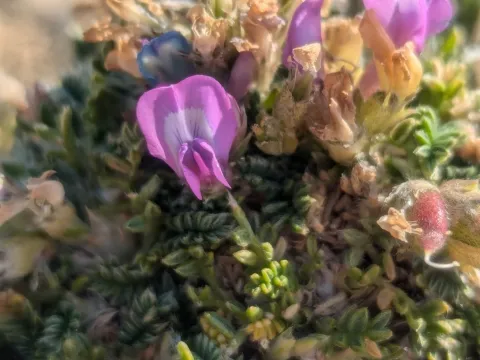
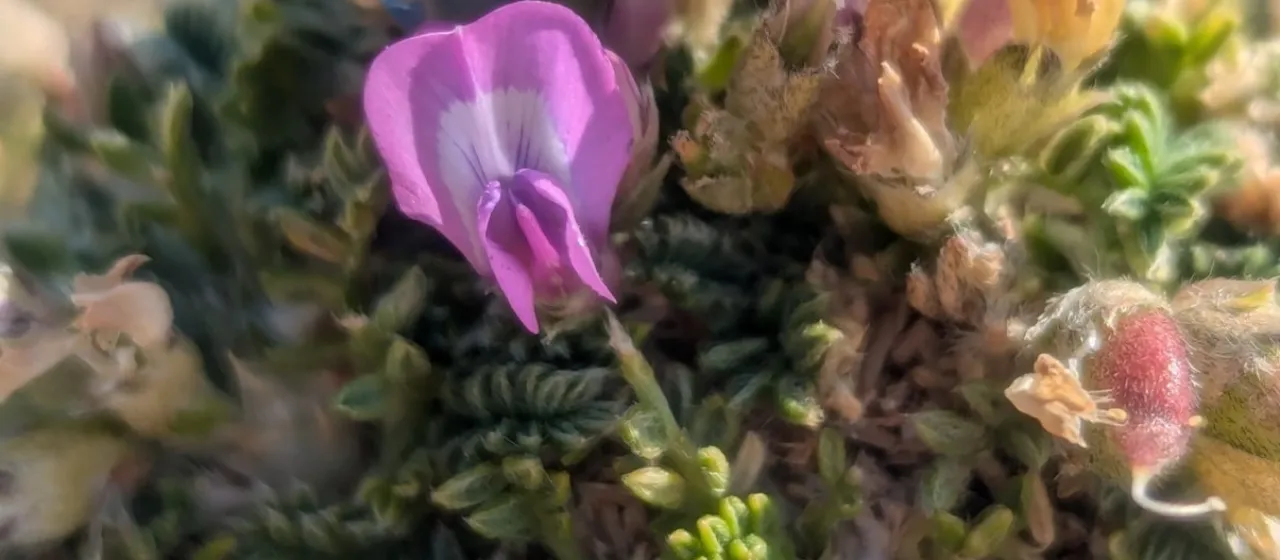
Oxytropis foucaudii is a perennial herbaceous plant belonging to the Fabaceae (legume) family. As a highly specialized species, it has evolved to thrive in the harsh environments of alpine and subalpine meadows, where it plays a key ecological role in stabilization and biodiversity maintenance.
The plant originates from the mountainous regions of Europe, specifically the Pyrenees. Its natural range is restricted to high-altitude stony slopes and rocky terrain. While not a conventional large-scale agricultural commodity, it serves as a valuable genetic resource for breeders focusing on drought resistance and survival in nitrogen-poor, high-altitude soil conditions.
Botanically, it is characterized by a sturdy taproot system and a rosette of pinnate, pubescent leaves that minimize water loss. The flowers are typically arranged in dense spikes with a vibrant color, which is a signature feature of the Oxytropis genus. These structures enable the plant to maximize reproductive success despite the short growing seasons characteristic of high altitudes.
Agricultural requirements for this species are strict. It demands well-drained, porous soils with excellent aeration and sufficient exposure to solar radiation. It is highly intolerant of waterlogging and heavy clay soils. In cultivation, protecting the plant from encroaching weeds and ensuring appropriate soil pH levels is essential for maintaining healthy growth and stand density.
The primary agricultural use is its contribution to natural forage in alpine grazing ecosystems. It is a palatable source of protein for livestock, though management must be careful to monitor for potential toxicity, as is common with several species in this genus. Common threats include root-boring insects and fungal pathogens that proliferate in damp, poorly ventilated microclimates.
Photo gallery