Description
Lapland locoweed (Oxytropis lapponica) is a perennial herbaceous plant belonging to the Fabaceae family. As a specialized legume, it has adapted to thrive in harsh, nutrient-poor environments, showcasing high resilience in cold climates where many other agricultural crops would fail to establish.
The origin and range of this species are primarily centered in the Arctic and high-mountain regions across Eurasia and North America. It is commonly found in alpine meadows, tundra, and rocky slopes. Its ability to colonize such niches is facilitated by its deep taproot and symbiotic nitrogen-fixing bacteria located in its root nodules.
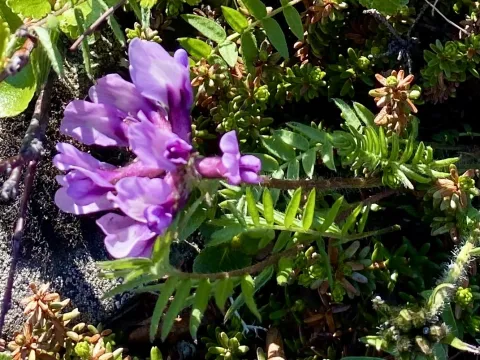
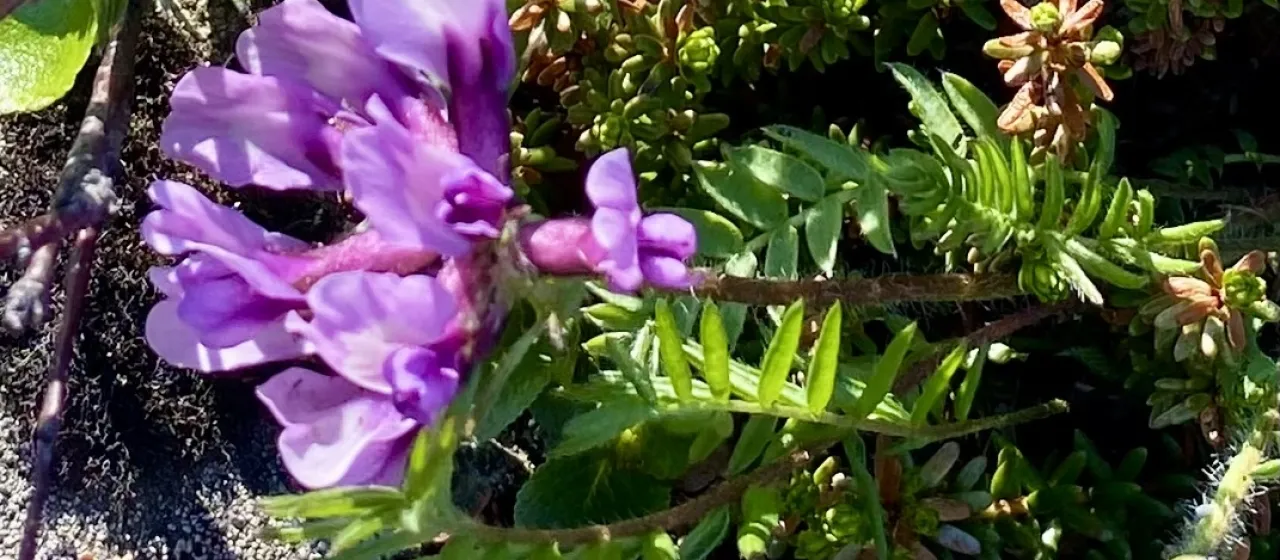
Botanically, the plant is characterized by a basal rosette of pinnate leaves covered in fine hairs, which serve as a protective mechanism against extreme weather. Its flowers are arranged in racemes and exhibit the typical morphology of the pea family. The plant's life cycle is tuned to the short growing seasons typical of its natural habitat.
Regarding climate and soil requirements, Lapland locoweed prefers well-drained, sandy or gravelly soils with a neutral or slightly acidic pH. It is intolerant to waterlogging, which can cause root rot. In terms of agronomy, it is a low-maintenance plant that performs well in cold, exposed areas, requiring minimal fertilization due to its nitrogen-fixing capabilities.
The primary agricultural use of this plant is as a forage component in subarctic livestock grazing systems. It is highly palatable to various species of deer and mountain livestock. Beyond its forage value, it contributes to soil health through nitrogen fixation, making it a potentially valuable cover crop for reclamation projects in cold, rocky landscapes.
- Excellent cold tolerance
- Strong nitrogen-fixing ability
- Suitability for rocky and poor soils
- Low requirement for chemical inputs
Typical diseases and pests associated with this plant include various fungal pathogens such as powdery mildew, which may occur if air circulation is poor or humidity is too high. Insect pests that target the flowers and seeds can also be a concern if the plant is managed for seed production in nurseries or research settings.
Photo gallery