Description
Oxytropis neglecta is a perennial herbaceous plant belonging to the Fabaceae (Legume) family. Often identified within high-altitude and arctic ecosystems, this species is recognized for its significant ecological resilience and its role in mountainous vegetation, where it contributes to biodiversity and soil stabilization.
The plant originates from the rugged terrains of Eurasia, typically found in alpine meadows and steppe regions. Its evolutionary history has endowed it with high tolerance to cold stress, short growing seasons, and nutrient-poor substrates, positioning it as a potentially resilient crop for marginal lands that are unsuitable for traditional agriculture.
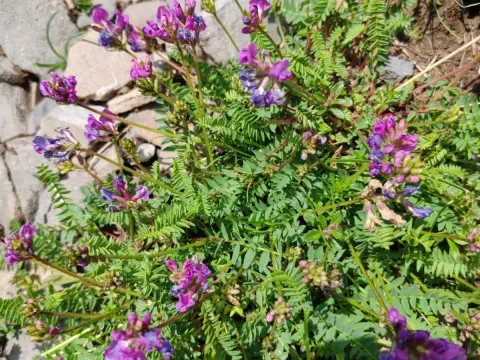
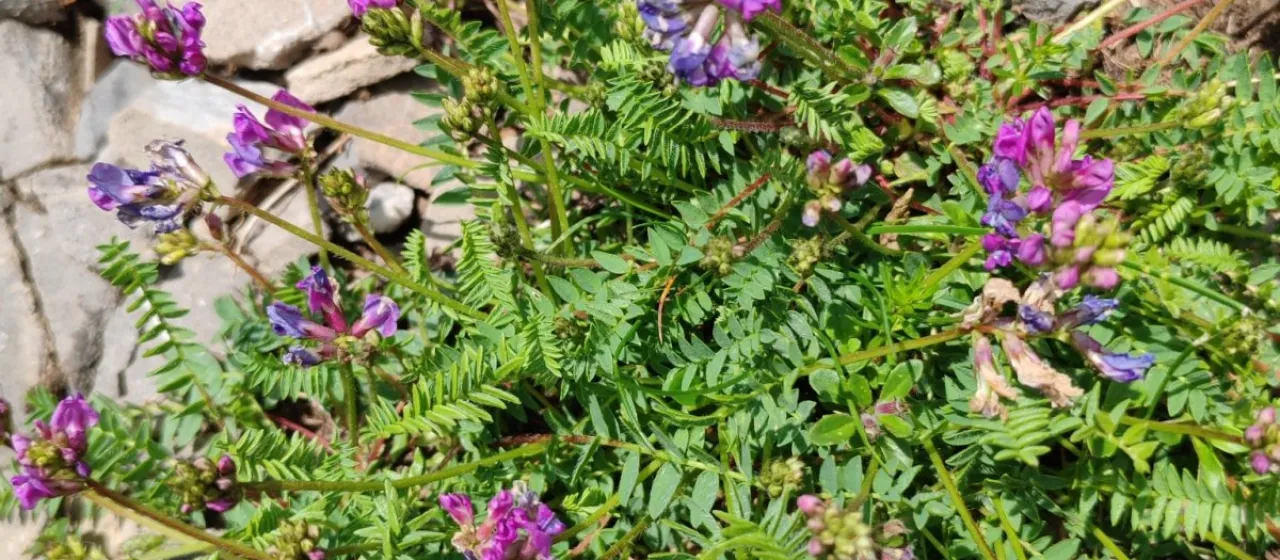
Botanically, the plant features a basal rosette of pinnate leaves, often covered in fine hairs to prevent water loss. The inflorescence consists of dense, purple to violet racemes typical of the genus. Its deep taproot system is essential for survival, allowing it to anchor securely in rocky slopes and access deep-seated groundwater in dry periods.
Agricultural success with this species depends on maintaining well-drained, porous soils with a near-neutral pH level. It is highly intolerant of waterlogging, which can trigger root rot. Cultivation strategies should prioritize minimal soil disturbance to preserve the fragile root architecture and the associated nitrogen-fixing microbial community essential for its health.
- Suitability for sustainable forage production in high-elevation areas.
- Soil conservation and erosion control on mountain gradients.
- Value in restoring degraded alpine pasture ecosystems.
- Ongoing interest in phytochemical research for medicinal applications.
The crop is occasionally prone to specific insect herbivores, particularly beetles that target flower buds. Fungal diseases, such as leaf spots and powdery mildew, may occur if humidity levels remain high for extended periods. Integrated pest management, focusing on site selection and adequate spacing, is recommended to mitigate these biological risks.
Photo gallery