Description
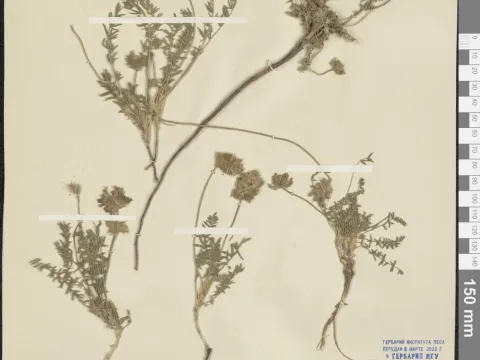
Oxytropis psammocharis is a perennial herbaceous plant belonging to the legume family (Fabaceae). This species is specifically adapted to extreme arid environments, acting as a colonizer of sandy landscapes where it plays a critical role in local biodiversity.
Native to the arid regions of Central Asia, this plant is naturally distributed across steppes and sandy desert environments. Its presence is indicative of fragile soils that require stabilization through deep-rooting vegetation capable of surviving in nutrient-poor conditions.
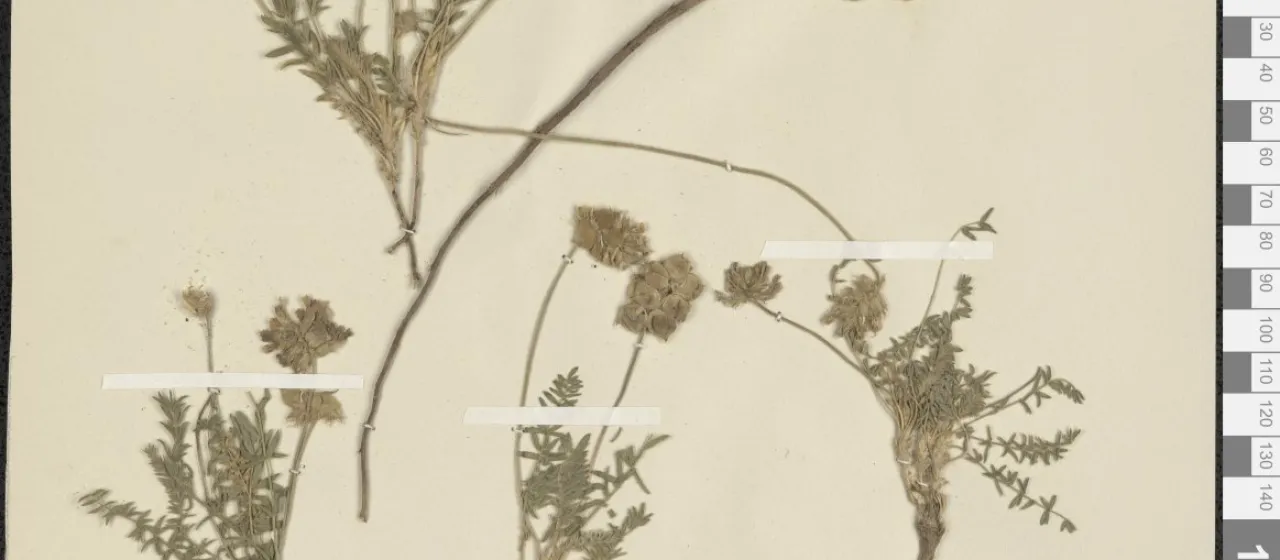
Botanically, it features a robust taproot system and pubescence on its leaves to minimize water loss. The plant grows in compact clusters, which is an evolutionary response to high wind speeds and shifting sands, protecting the root crown from exposure during sandstorms.
Regarding cultivation requirements, the plant demands full sun exposure and well-drained, sandy substrates. It is a classic xerophyte; therefore, moisture management is crucial in an agricultural context, as waterlogging is the primary cause of plant failure and root decay.
The primary economic and agricultural use of this plant is for soil stabilization and environmental reclamation. Because it fixes nitrogen, it contributes to soil fertility, acting as a natural improver in arid pasture management and preventing soil erosion in degraded landscapes.
- High drought tolerance.
- Nitrogen-fixing capabilities.
- Stabilization of loose soil.
- Low nutritional input requirements.
Disease pressure is generally low in its native habitat but can increase significantly under irrigation or excessive humidity, often manifesting as root rots. Pests mainly include weevils and other insects that feed on the legumes' reproductive tissues and seeds.
Photo gallery