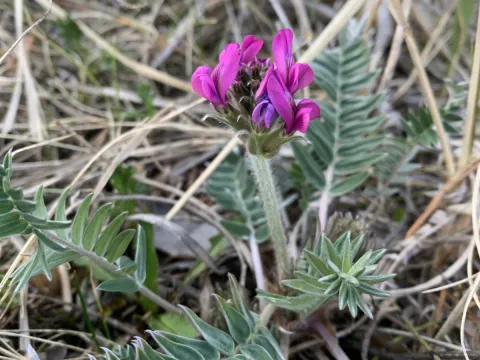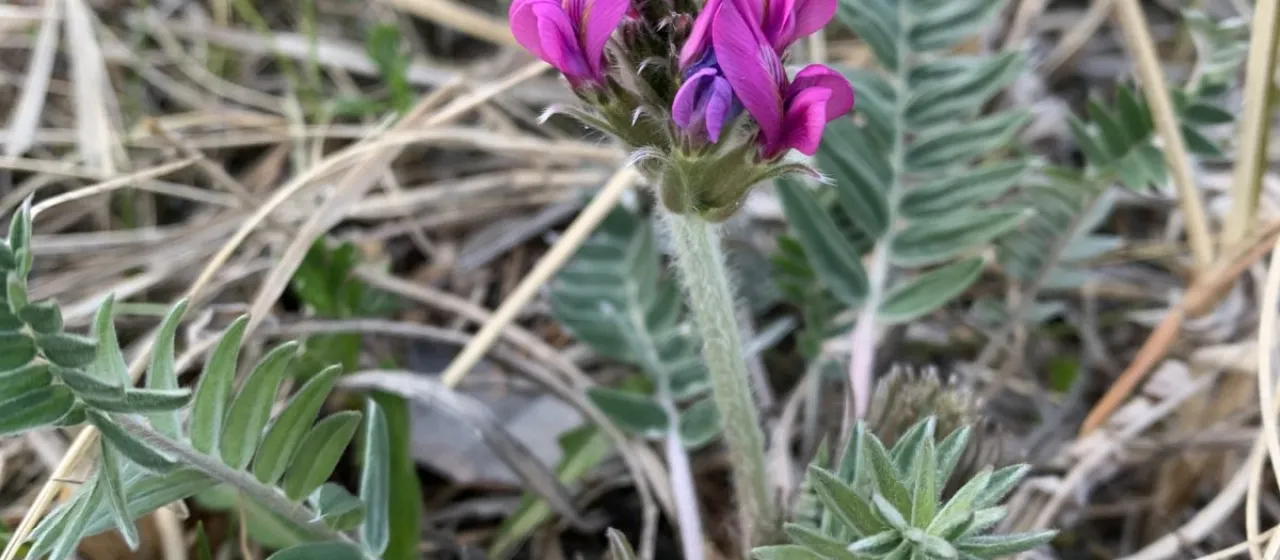
Description
Oxytropis strobilacea is a perennial herbaceous plant belonging to the Fabaceae family. Known for its distinct cone-like inflorescences, it is a hardy species primarily adapted to high-altitude environments, showcasing the robust biological traits characteristic of its genus.
The native range of Oxytropis strobilacea is primarily situated in the mountainous regions of Central Asia. It is typically found thriving in alpine meadows, scree slopes, and rocky terrain where extreme weather conditions, including intense solar radiation and significant diurnal temperature shifts, are the norm.
Botanically, the plant is characterized by a deep, sturdy taproot system and densely pubescent leaves. This physiological structure allows it to minimize water loss while ensuring secure anchorage in rocky substrates. The characteristic "cone" shape of its inflorescence protects the developing floral buds from harsh wind conditions prevalent at high elevations.
Cultivation requirements for this species focus heavily on drainage. In agricultural or botanical settings, it thrives in well-draining, gravelly soils with a neutral pH. It is highly intolerant of waterlogged soil, which leads to root decay. Consequently, success in cultivation depends on simulating the lean, porous conditions of its native mountain habitats.
Regarding agricultural and economic utility, Oxytropis strobilacea serves primarily as an important soil-stabilizing species for erosion control in mountainous areas. Furthermore, as a nitrogen-fixing legume, it contributes to the improvement of soil fertility in rangelands, making it a subject of interest for sustainable pasture management and rangeland reclamation programs.
- Exceptional tolerance to high-altitude stress.
- Symbiotic nitrogen fixation capabilities.
- Resistance to local alpine plant diseases.
- Low maintenance requirements in suitable rocky substrates.
Photo gallery