Description
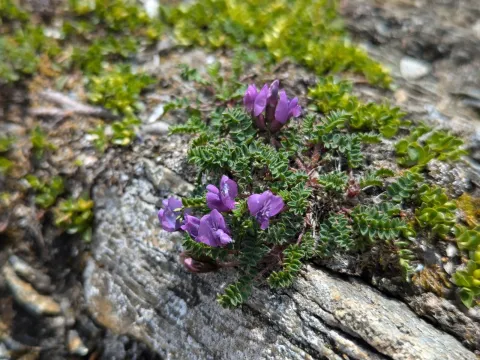
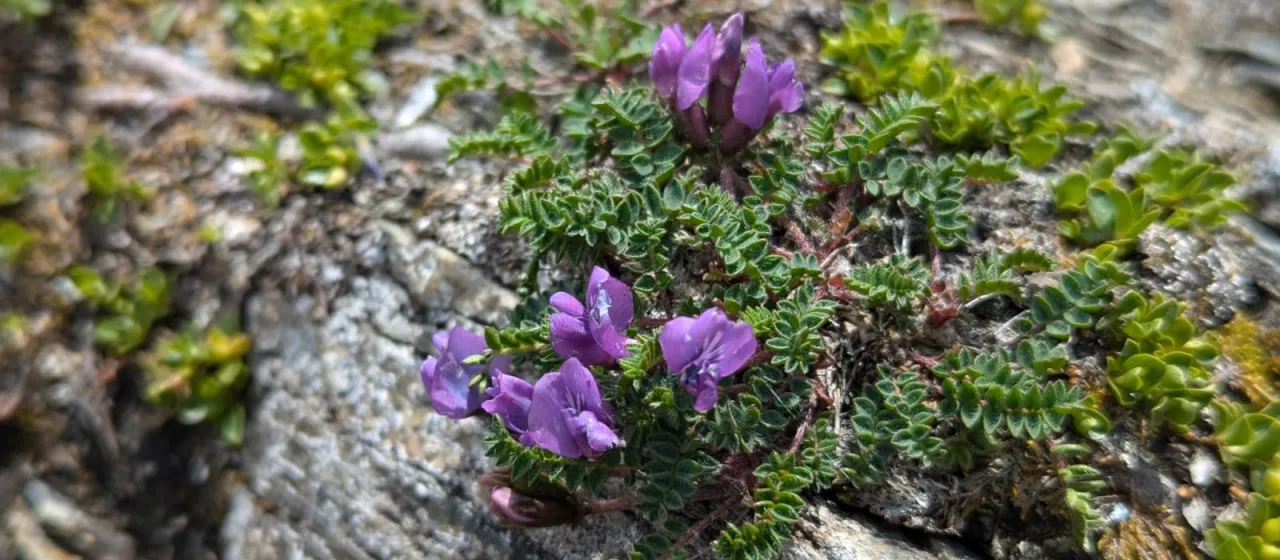
Oxytropis triflora, known as the three-flowered oxytrope, is a resilient perennial plant belonging to the Fabaceae family. It is recognized for its ability to thrive in harsh environments, making it a subject of interest for sustainable agricultural practices in marginal lands.
The species originates from the mountainous and steppe regions of Central Asia. Its natural distribution is characterized by high altitudes, rocky substrates, and cold climates, where the plant has evolved specific survival mechanisms against extreme temperature fluctuations and limited precipitation.
Botanically, it features a robust root system and pinnate, often pubescent leaves that serve to minimize water loss. The plant produces distinctive legume-type fruits and is well-adapted to self-pollination or insect pollination, ensuring reproductive success in remote areas.
Regarding cultivation, Oxytropis triflora requires well-drained, nutrient-poor, or rocky soils with neutral to alkaline pH. It is an excellent choice for revegetation projects, as it requires minimal human intervention once established, provided the field is sunny and free from waterlogging.
Agricultural use centers on its value as forage for livestock in arid zones and its efficacy as a soil stabilizer. As a legume, it fixes nitrogen, which naturally improves soil fertility without the need for synthetic fertilizers. This makes it an essential crop for ecological restoration of degraded grasslands.
Common health issues in this crop are primarily linked to fungal pathogens that emerge during periods of high humidity or poor drainage. Pest management strategies typically involve monitoring for seed-eating insects and ensuring adequate spacing to promote airflow throughout the canopy.
Photo gallery