Description
Pachystachys coccinea is a perennial evergreen shrub belonging to the Acanthaceae family. Known for its striking red, tubular flowers, it is a prominent ornamental species within the genus, widely recognized in tropical horticulture for its vibrant aesthetic appeal.
The plant originates from the tropical regions of South America, specifically within the diverse forests of Brazil and the Guianas. As a species adapted to understory conditions, it thrives in environments that provide consistent warmth and filtered light, mirroring its native forest habitat.
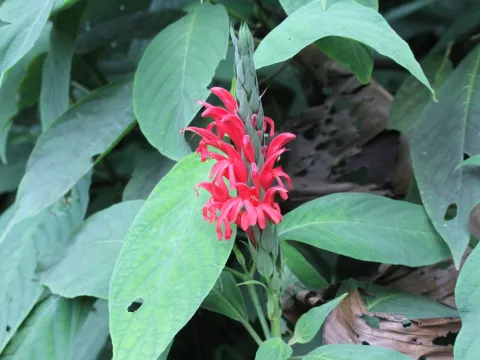
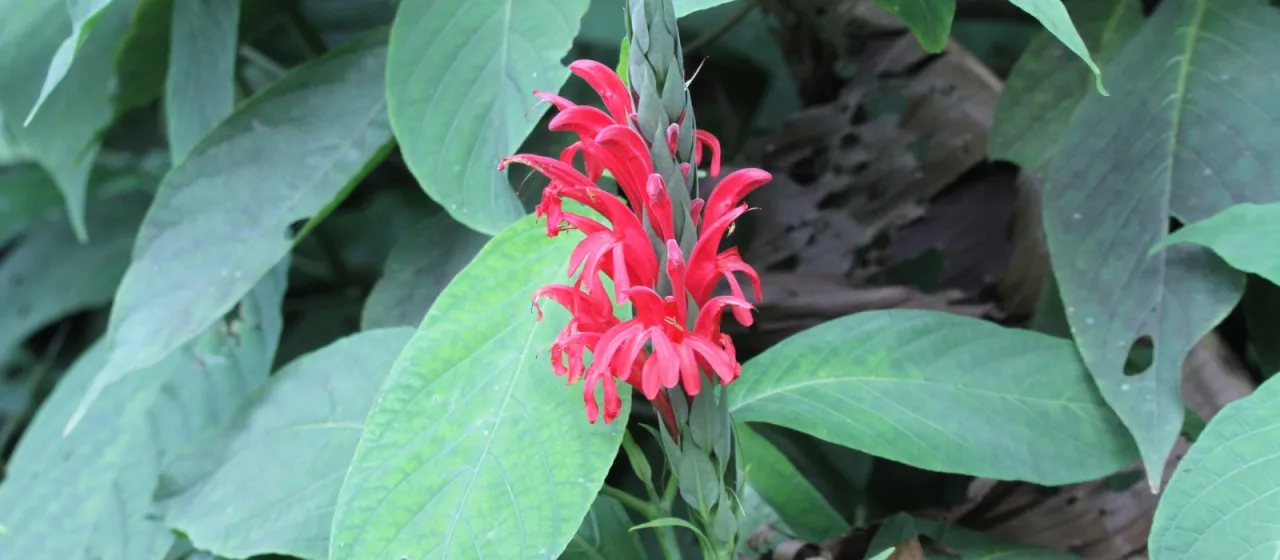
Botanically, this shrub can reach heights of up to 1.5 meters. It features lanceolate, dark green leaves with a prominent vein structure. The inflorescences are terminal spikes, distinguished by their brilliant red bracts and flowers, which contrast sharply with the foliage, making it a valuable addition to botanical collections and conservatory displays.
Cultivation requires adherence to specific environmental parameters. The plant demands a consistently warm climate, ideally between 20°C and 25°C, and high relative humidity. The soil medium must be well-drained and nutrient-rich, mimicking forest floor conditions to prevent root rot and ensure optimal nutrient uptake during the active growing season.
Beyond its ornamental use, horticultural management involves systematic pruning to encourage bushiness and prolong the flowering period. Pest management is essential, as the species is susceptible to common greenhouse pests such as spider mites, whiteflies, and scale insects. Maintaining hygiene and optimizing environmental moisture are the primary strategies to mitigate disease incidence.
Photo gallery