Description
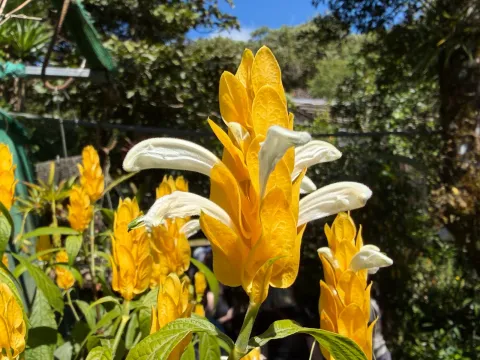
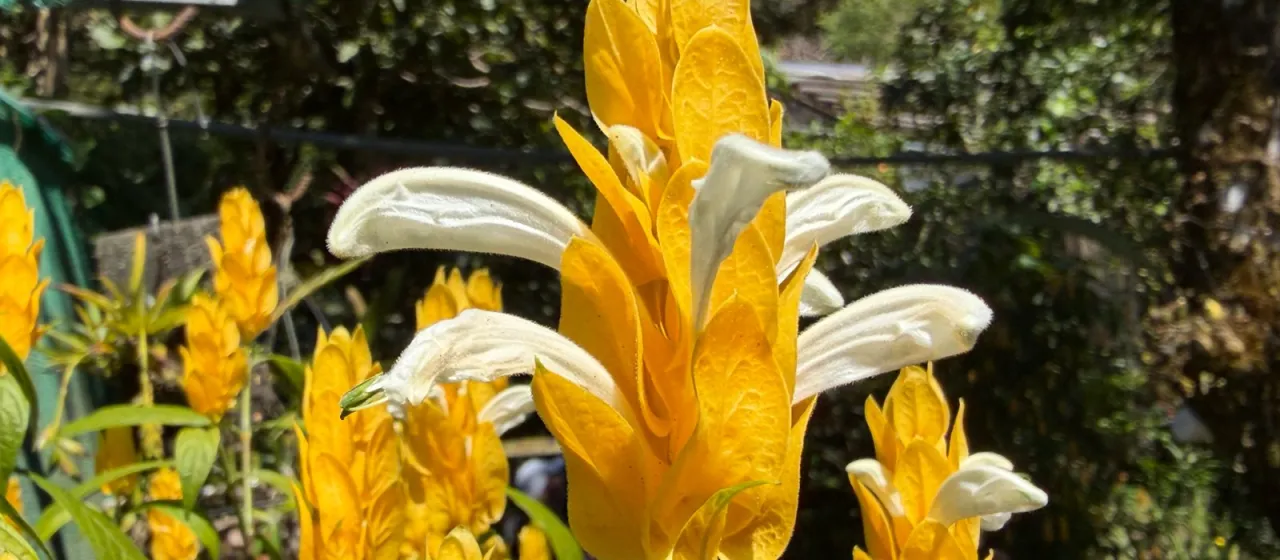
The golden shrimp plant (Pachystachys lutea) is an evergreen shrub classified within the Acanthaceae family. In agricultural and horticultural terms, it is primarily recognized as a specialized ornamental crop valued for its striking, shrimp-like inflorescences that provide aesthetic appeal in interior and conservatory landscapes.
Originating from the tropical regions of Peru, this plant thrives in warm, humid environments. In commercial production, it is cultivated under controlled environmental conditions that mimic its native habitat. Its geographic distribution has expanded worldwide through the greenhouse industry, where it is utilized for both retail sale and professional interior landscaping.
Botanically, Pachystachys lutea is characterized by its lanceolate leaves and terminal, four-ranked spikes of bright yellow bracts. These bracts enclose small, white, bilabiate flowers. The plant typically reaches a height of 0.5 to 1 meter in containers, with a dense, branching structure that responds well to systematic horticultural interventions.
The agronomic requirements for successful cultivation center on high humidity levels and consistent, well-draining soil. It demands a position with bright, indirect light, as direct exposure to scorching midday sun can damage foliage. To maintain productivity and promote prolific flowering, cultivators must implement a strict pruning regime, which encourages dense branching and prevents the plant from becoming leggy.
Management of pests is a critical component of Pachystachys lutea production. The most common threats include aphids, spider mites, and scale insects, which often proliferate when humidity drops too low. Furthermore, excessive irrigation can lead to root pathogens, specifically root rot, which necessitates the use of high-quality, porous growing media and strict adherence to irrigation schedules.
Photo gallery