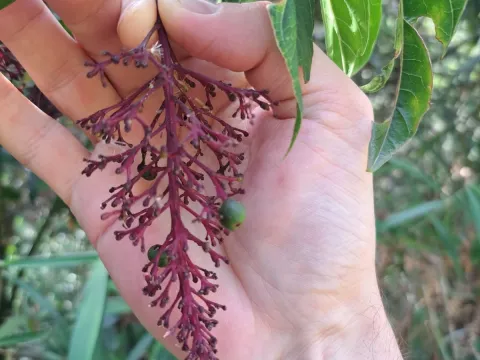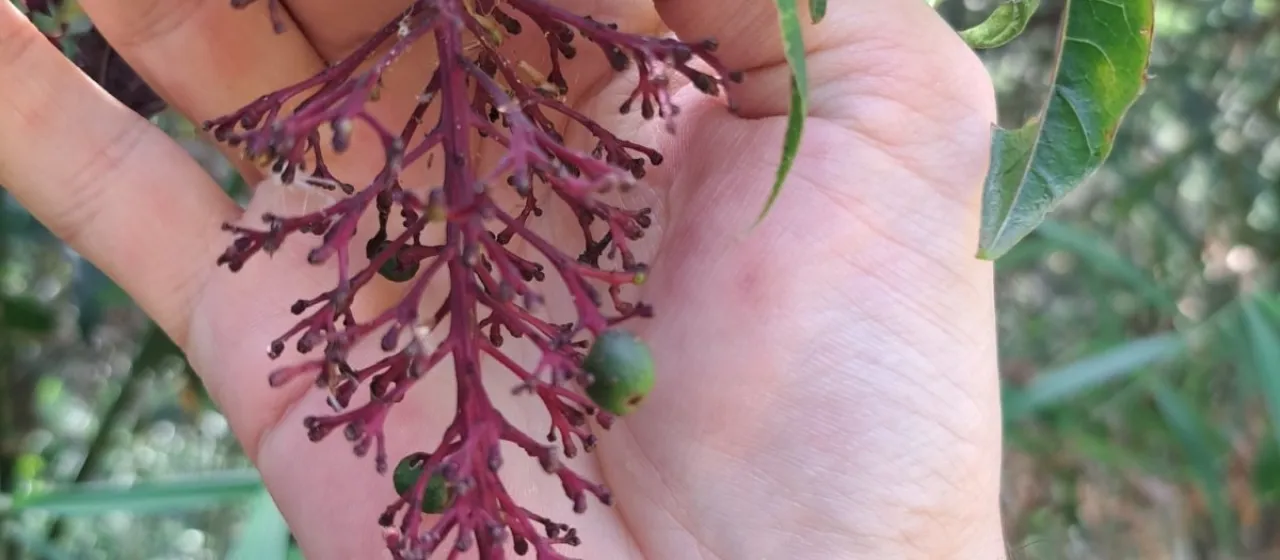
Description
Palicourea longipedunculata is an evergreen shrub species belonging to the Rubiaceae family. As a distinct member of the tropical understory, this plant is recognized for its unique elongated peduncles that support vibrant inflorescences, making it a significant species in its native botanical context.
The origin of this culture is traced back to the humid tropical forests of Central and South America. It thrives in high-humidity environments and is typically found in secondary growth areas, forest edges, and riparian zones where the soil composition is rich in organic matter and maintains consistent moisture levels.
Botanically, the shrub displays opposite, simple leaves with prominent venation. The defining feature is the inflorescence, which consists of numerous small, nectar-rich flowers. These flowers are evolutionary adapted to attract specific pollinators, such as hummingbirds, which play a crucial role in the reproductive success of the plant within its ecosystem.
Cultivation requirements for Palicourea longipedunculata involve replicating its native tropical conditions. It requires well-draining, humus-rich soil and high ambient humidity. In a controlled or cultivated setting, it is essential to provide partial shade to prevent leaf scorching, as the plant is naturally adapted to filtered light conditions found under a forest canopy.
Common issues encountered during cultivation include susceptibility to fungal pathogens if air circulation is poor or if the soil remains waterlogged. Common pests include scale insects and spider mites, which can be managed through regular monitoring and appropriate horticultural practices. The plant is primarily utilized for ornamental purposes in tropical climates and as a subject for chemotaxonomic studies.
Photo gallery