Description
Pandanus chiliocarpus is a perennial evergreen tropical species belonging to the Pandanaceae family. It is distinctively known for its stilt roots that emerge from the stem to provide structural support in soft, tropical soils. As a woody plant, it maintains a robust stature throughout its life cycle, adapting to diverse coastal environments within the tropical belt.
The native range of this species is concentrated in the tropical regions of Southeast Asia, particularly Indonesia. It thrives in humid coastal areas where high precipitation is constant throughout the year. The species is highly sensitive to cold, making it unsuitable for cultivation in temperate climates unless grown in controlled greenhouse environments with strict temperature management.
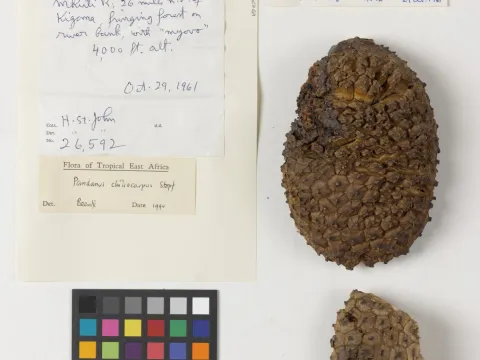
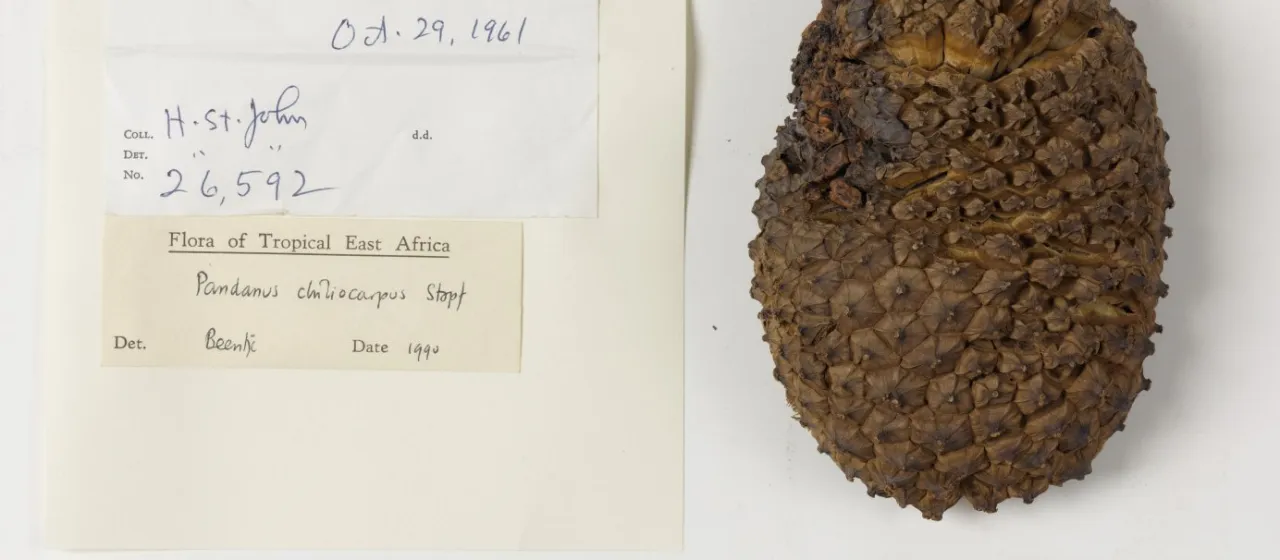
Botanically, Pandanus chiliocarpus is characterized by its long, serrated, sword-shaped leaves that form a spiral pattern on the crown. The plant produces unique, dense syncarps (fruit clusters) that are segmented. As a dioecious plant, the separation of male and female flowers means that successful fruit production requires careful management of the plant population to ensure adequate pollination.
Agricultural and horticultural requirements for successful growth include:
- Maintaining high relative humidity to prevent leaf desiccation.
- Providing rich, well-draining soils with adequate organic matter.
- Ensuring sufficient sunlight for photosynthesis while protecting young plants from excessive heat.
- Regular irrigation to sustain growth, avoiding waterlogged conditions that induce root rot.
Economically, the plant is utilized in both subsistence and local commercial sectors. The fruit is consumed in traditional diets after processing, while the leaves are highly valued for their fibers. Artisans use these fibers to create durable mats, baskets, and traditional garments. In landscape architecture, the species is cultivated for its aesthetic, exotic appearance and its ability to act as a natural windbreak in coastal tropical regions.
Common pests and diseases include fungal leaf spots and infestations by scale insects or spider mites, particularly in areas with poor ventilation. To manage these, growers should implement rigorous sanitation practices, such as the removal of dead foliage and maintaining optimal plant spacing. Chemical controls should be used judiciously, prioritizing biological solutions to maintain the health of the surrounding ecosystem.
Photo gallery