Description
Pandanus cookii, commonly known as a type of screw pine, belongs to the Pandanaceae family. It is a striking tropical tree characterized by its distinct appearance, featuring a tall, slender trunk supported by a system of adventitious stilt roots that anchor the plant securely in its native environment.
The species originates from the tropical regions of Australia, specifically Queensland. It thrives in coastal environments and humid lowland areas where the climate is consistently warm. In agricultural practice, it is recognized for its adaptability to specific tropical zones and its value in both ornamental and small-scale fiber production settings.
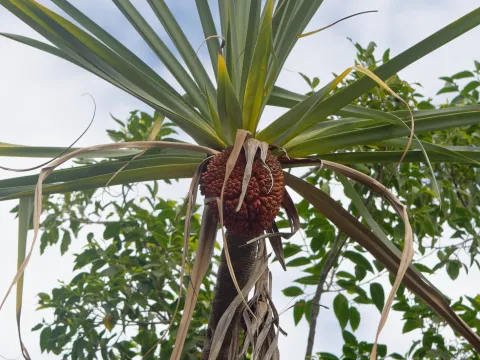
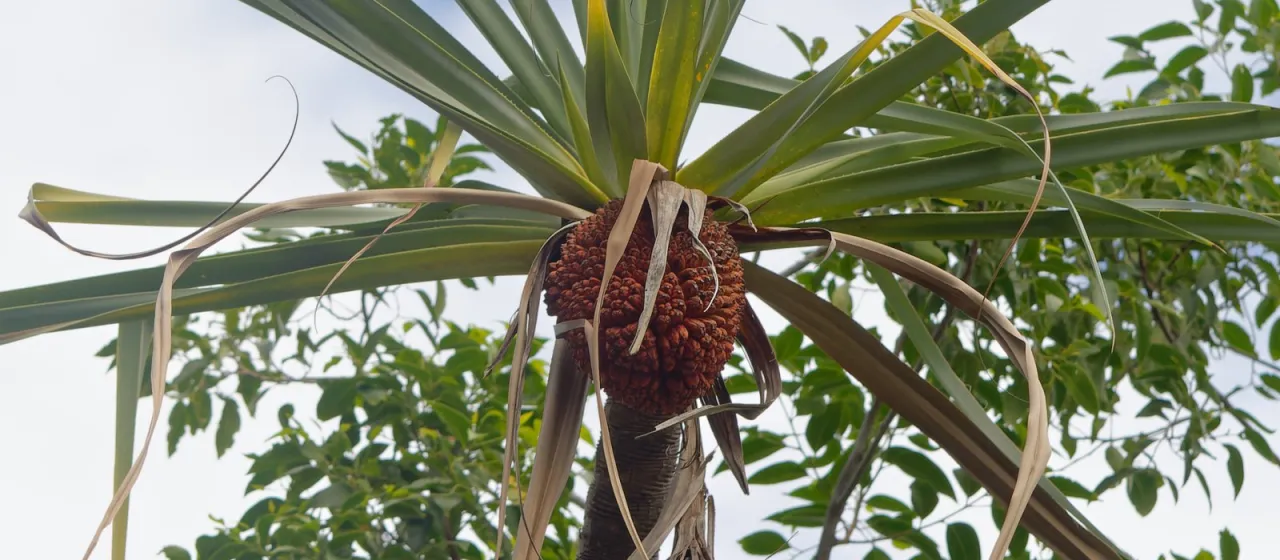
Botanically, Pandanus cookii is distinguished by its long, serrated, sword-like leaves arranged in a dense, spiral pattern. The plant produces large, pineapple-like multiple fruits consisting of numerous drupes. As a dioecious species, separate male and female plants are required for the production of viable seeds, which is a critical factor for plantation management.
Cultivation requirements for this species include full sun to partial shade and high humidity levels. The soil must be nutrient-rich and, most importantly, possess excellent drainage to prevent root rot. It is sensitive to frost and extreme cold, requiring a protected or strictly tropical environment to maintain healthy growth cycles and leaf production.
- Regular moisture requirements with well-draining soil.
- Significant heat requirements for vegetative development.
- Need for routine pruning of necrotic lower foliage.
- Protection against common pests like scale insects and spider mites.
In terms of economic utility, the fibrous leaves of Pandanus cookii are highly valued for weaving traditional textiles, mats, and baskets. The seeds and pulp of the fruits may have regional food uses. The primary threats to the crop include fungal leaf spot diseases and infestations of sap-sucking insects, which must be managed through integrated pest control strategies to ensure optimal yield and plant health.
Photo gallery