Description
Parapholis filiformis is an annual grass species belonging to the family Poaceae. Known for its ability to thrive in challenging, high-salinity environments, it is categorized as a halophyte, which makes it an important plant for specific agricultural and ecological niches.
The plant originates from Mediterranean and Atlantic coastal regions, where it colonizes salt marshes, saline meadows, and brackish habitats. Its distribution is strictly limited by soil composition, as it requires specific saline conditions to outcompete non-halophytic vegetation that would otherwise dominate these areas.
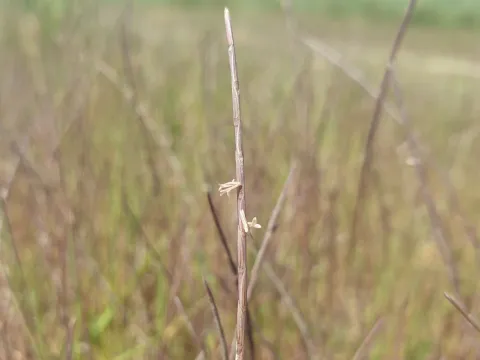
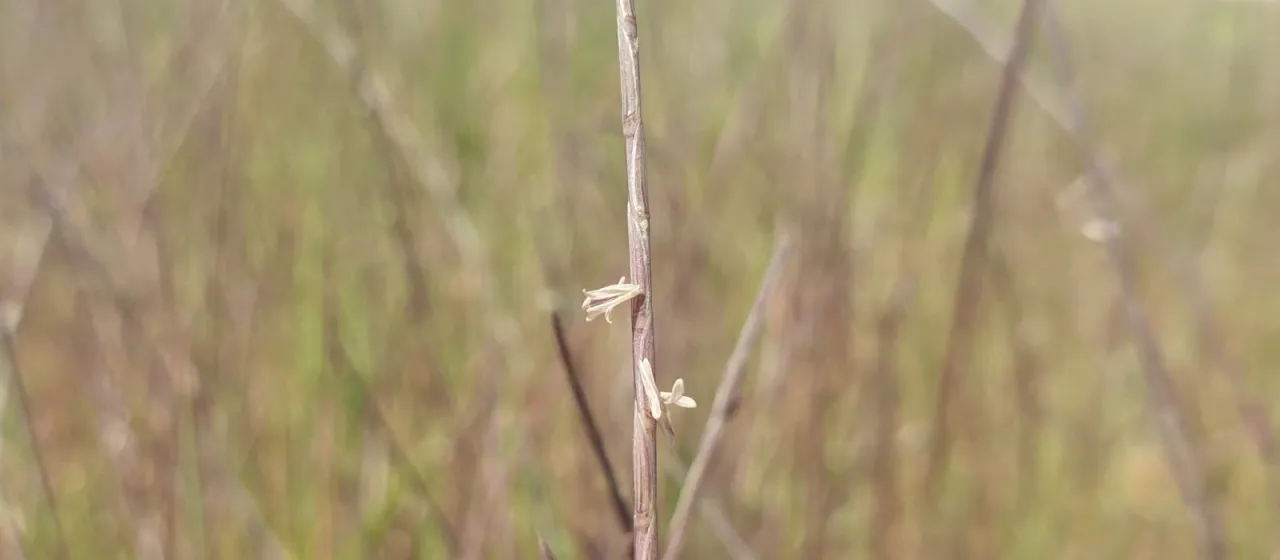
Botanically, this species is characterized by its slender, filiform (thread-like) stems and narrow leaves. The inflorescence is a cylindrical spike that tends to disarticulate at maturity, facilitating the dispersal of seeds by wind or water. This structural adaptation is crucial for its survival in exposed coastal habitats.
Cultivation requirements for Parapholis filiformis revolve primarily around salt tolerance rather than high-nutrient soil. Agronomically, it does not require fertilizers common for traditional grain crops; instead, it requires stable soil salinity and adequate moisture during the germination phase to ensure a successful stand on degraded lands.
The primary agricultural use of this grass is in the management of saline grazing lands. In areas where traditional forage crops fail due to salt stress, this grass provides essential cover and grazing fodder for livestock. While it is generally resilient to pests and diseases common to other grasses, its health is mostly dependent on maintaining the delicate salt balance of the surrounding soil ecosystem.
Photo gallery