Description
Cloud parnassia (Parnassia nubicola) is a distinctive perennial herbaceous plant belonging to the Celastraceae family. Often admired for its delicate appearance, this species is native to the high-altitude regions of the Himalayas. It serves as a fascinating subject for alpine gardening and specialized botanical research due to its unique evolutionary adaptations to cold, high-moisture mountain environments.
The plant originates from the cloud forests and alpine meadows of India, Nepal, and China. Its natural habitat is defined by rocky terrain, high humidity, and consistent access to cold, clear water from snowmelt or mountain springs. This reliance on specific micro-climates makes it a demanding, yet rewarding species for growers interested in maintaining rare alpine flora under controlled conditions.
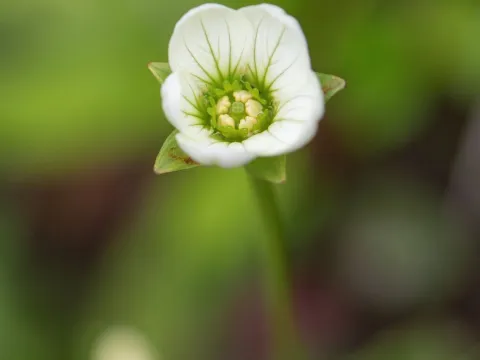
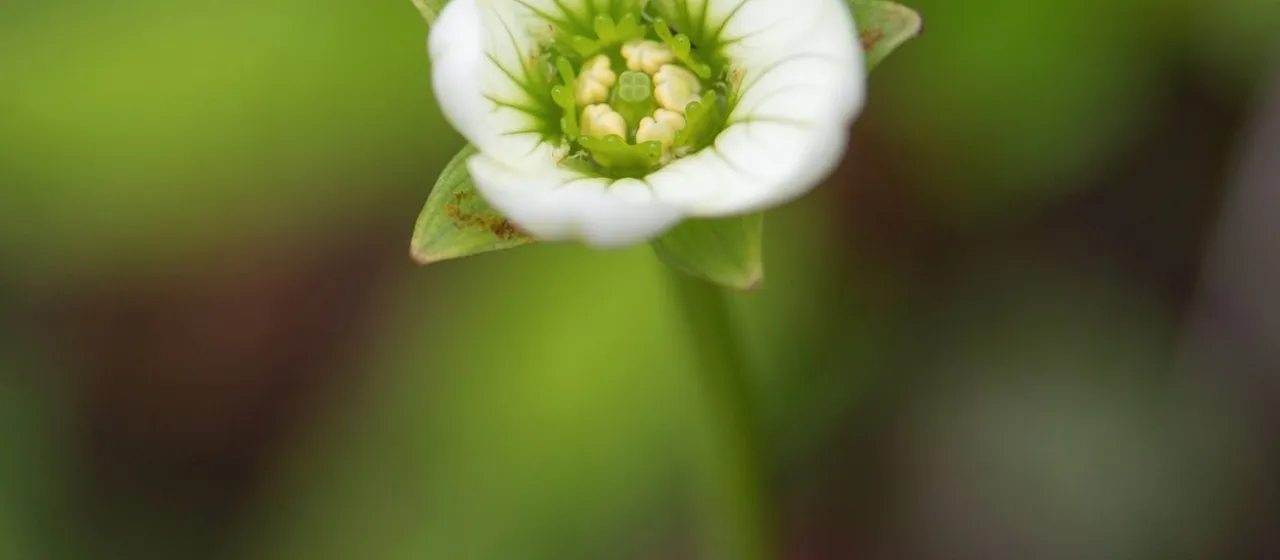
Botanically, Parnassia nubicola features a basal rosette of heart-shaped leaves and tall, slender scapes topped with single, white-petaled flowers. The petals are marked with distinct translucent or greenish veins. One of the most intriguing botanical features is the presence of staminodes—modified, gland-tipped stamens that mimic nectar droplets, which play a crucial role in luring pollinators within its sparse high-altitude environment.
In terms of agricultural management and cultivation, success depends on replicating the plant's natural environment. It requires a cool, moist, and well-drained substrate, typically consisting of a mix of humus, grit, and acidic peat. Overheating is the primary risk; therefore, growers should plant it in locations with partial shade, excellent air circulation, and stable soil moisture throughout the growing season.
While primarily cultivated for ornamental purposes in rock gardens and bog settings, cloud parnassia remains a niche crop. It has few serious pests or diseases, though root rot caused by poor drainage is a common issue. In some traditional contexts, the plant is valued for its unique phytochemical profile, although it is not considered a mass-produced agricultural commodity. Its primary value remains its contribution to biodiversity and aesthetic landscape design.
- Preferential cool and moist environment
- Requirement for high-quality soil aeration
- Susceptibility to heat stress
- Low pest profile
- Significance in alpine biodiversity
Photo gallery