Description
Marsh grass of Parnassus (lat. Parnassia palustris) is a perennial herbaceous plant belonging to the Celastraceae family. While it is primarily recognized as a wild plant, it is valued in specific agricultural sectors as a specialized crop for wet areas, serving as both a nectar source for bees and a botanical resource for medicinal applications.
The plant has a widespread distribution across the temperate and subarctic regions of the Northern Hemisphere, including Europe, Asia, and North America. It naturally colonizes habitats such as wet meadows, stream banks, marshes, and fens, where the soil remains consistently damp throughout the growing season.
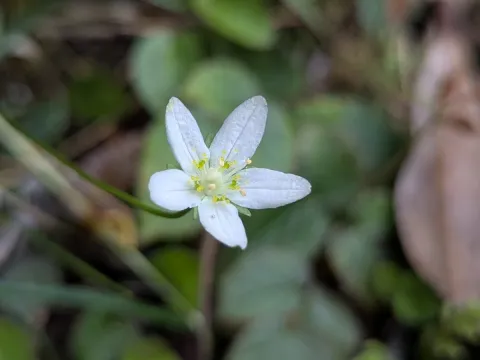
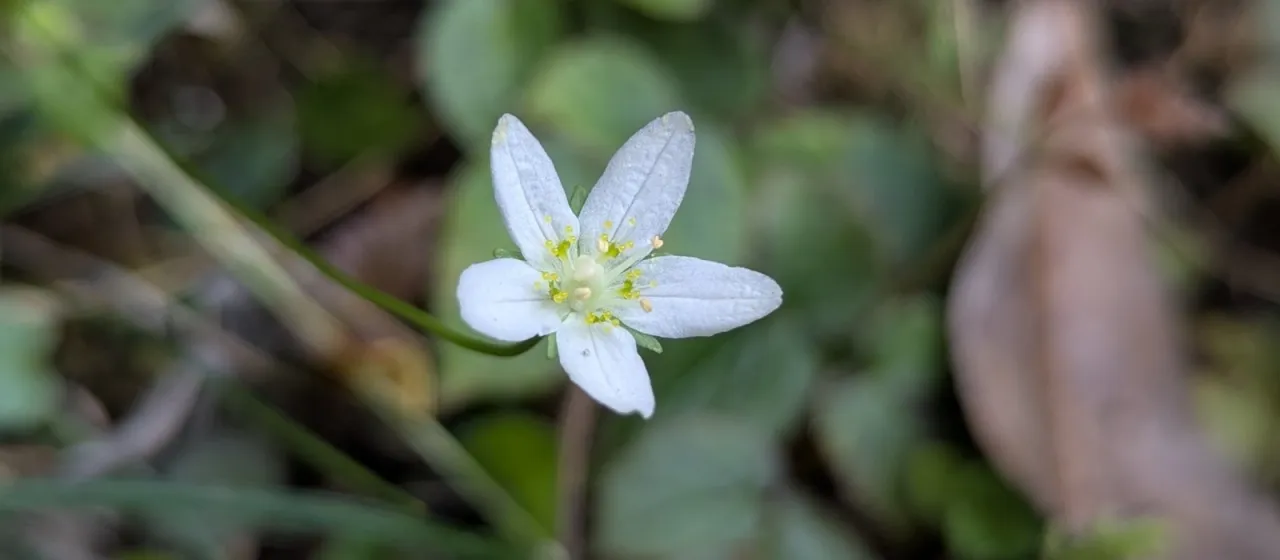
Botanically, it consists of a short rhizome and a basal rosette of leaves. The plant produces a single, solitary flower atop a stem, featuring five white petals with distinct translucent veins. A key biological feature is the presence of staminodes—modified stamens that function as nectar-secreting glands, specifically adapted to attract pollinators.
Agricultural success with this crop requires precise environmental control, specifically high soil moisture and rich, organic-matter-dense substrates. It is a light-demanding plant but requires protection from drought; the shallow root system is highly intolerant to moisture deficits. Ideal soil types include damp loams or peaty soils with a neutral to slightly acidic pH.
In terms of usage, the crop is highly regarded in apiculture for providing late-season nectar. Medically, it is used for its reported anti-inflammatory and diuretic properties. The primary pests include slugs and snails, which feed on the leaves, while common diseases involve fungal root rots, particularly when drainage is poor and water remains stagnant for extended periods.
Photo gallery