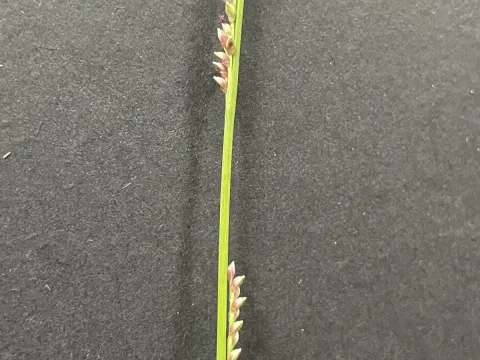
Description
Paspalidium caespitosum is a perennial grass species belonging to the family Poaceae. In agricultural terms, it is recognized as a hardy, drought-tolerant species that thrives in arid and semi-arid environments. The plant is characterized by its bunch-forming habit, which provides excellent protection to the crown and soil surface, contributing to its persistence under various environmental stressors.
The origin and primary range of this species are located in the arid zones of Australia. It is naturally adapted to heavy clay soils and is frequently found in areas prone to seasonal inundation followed by prolonged dry periods. This unique environmental adaptability makes it a valuable species for agricultural systems operating in regions with erratic rainfall patterns.
Botanically, the species is defined by narrow, tough leaves and a panicle-type inflorescence. The plant possesses a robust root system that facilitates efficient water uptake from deep soil profiles. Its ability to remain dormant during severe drought and rapidly resume growth upon the return of moisture is a key physiological trait that ensures its survival in harsh pastoral landscapes.
Regarding agronomic requirements, Paspalidium caespitosum does not demand intensive management. It prefers heavy-textured soils and can establish well without significant soil preparation. Successful cultivation depends on managing grazing pressure to allow the plants to complete their reproductive cycle and set seeds, which is essential for maintaining stand density in extensive pastoral settings.
The primary agricultural use of this grass is as a source of forage for livestock, particularly in grazing systems where high-quality fodder is scarce. It is considered a palatable and nutritious plant for sheep and cattle. Beyond fodder production, the species is vital for land management, specifically for mitigating soil erosion and restoring ground cover in degraded areas due to its dense growth habit.
- High drought tolerance
- Strong adaptation to heavy clay soils
- Excellent resilience under grazing pressure
- Effective soil erosion prevention
- Valuable source of livestock forage
Photo gallery