Description
Paspalidium punctatum is a perennial grass species belonging to the family Poaceae. It is a highly specialized plant that thrives in wetland environments, showing remarkable physiological adaptations to water-saturated conditions and seasonal flooding, which differentiates it from common cereal crops.
The native distribution of this species spans across the tropical and subtropical regions of Africa, Asia, and Australia. It is commonly found in riparian habitats, marshes, and low-lying areas where it acts as a stabilizing element for the soil. Its ability to tolerate anaerobic soil conditions makes it a unique candidate for cultivation in marshy lands.
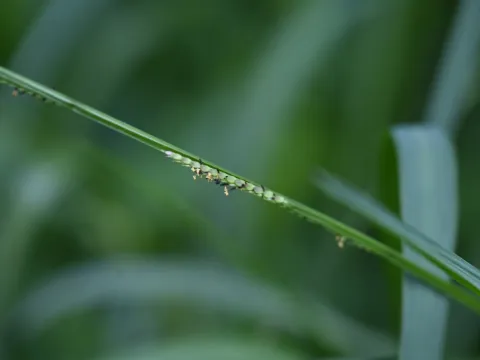
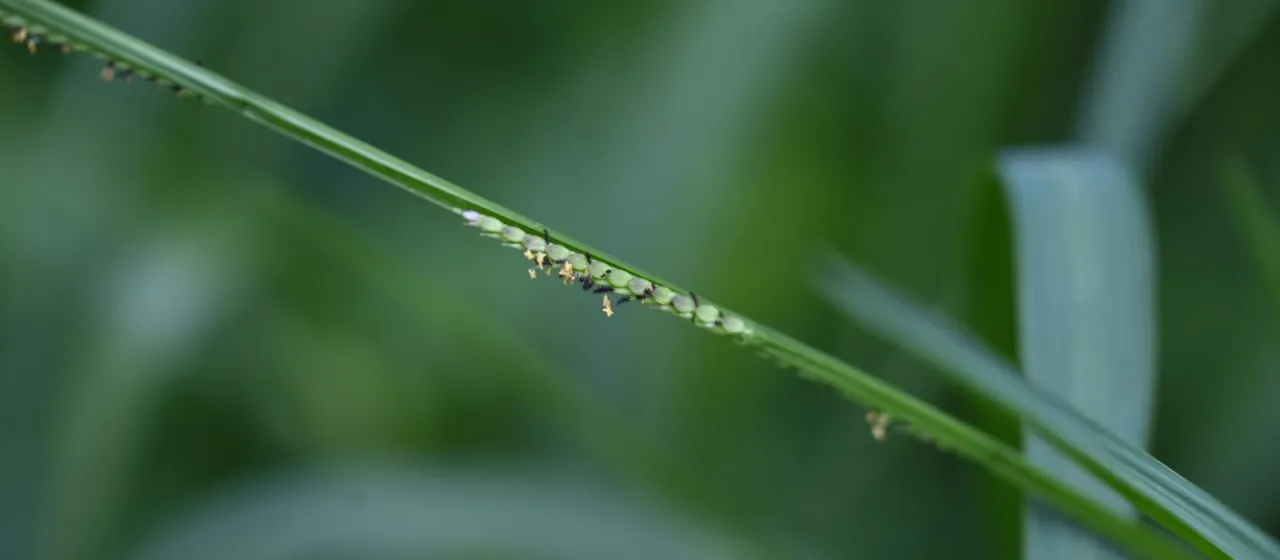
Botanically, the plant features decumbent to erect stems that possess the ability to root at the nodes, creating a dense vegetative cover. The leaves are characteristically linear-lanceolate and smooth. Its inflorescence is a spike-like panicle, producing small seeds that facilitate propagation. The root system is robust and fibrous, optimized for nutrient uptake in muddy environments.
Agronomic management of Paspalidium punctatum focuses on maintaining soil moisture levels. It requires a warm, frost-free climate to reach its full productive potential. The soil should be high in organic matter to support the rapid development of biomass. Regular weeding is necessary during the early stages of establishment to ensure the crop becomes the dominant species in the field.
The primary agricultural use of this grass is for fodder. It provides highly nutritious forage for livestock, particularly in regions where other forage crops struggle to grow. Common pests include stem-borers that can affect plant vigor, while fungal diseases are generally controlled through proper water management and ensuring adequate spacing during planting to prevent excessive humidity around the canopy.
Photo gallery