Description
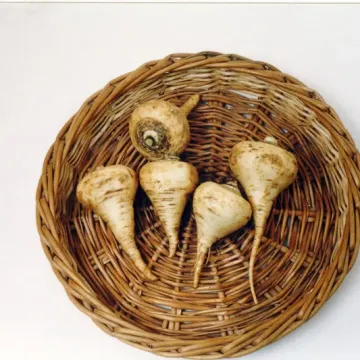
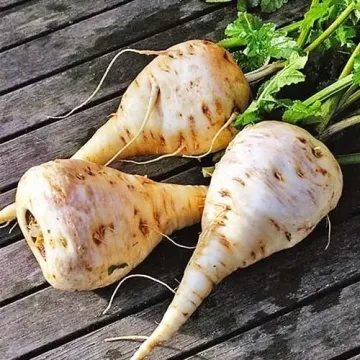
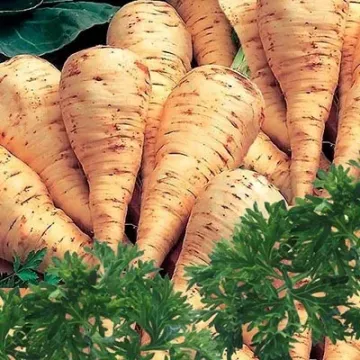
Parsnip (Pastinaca sativa L.) is a biennial root vegetable belonging to the Apiaceae (celery) family. During its first year, the plant develops a rosette of feathery leaves and a thick, fleshy taproot that is cream-colored and possesses a distinctively sweet, nutty flavor, especially after exposure to frost.
Originating from the Mediterranean region, parsnips have been cultivated for centuries across Europe and North America. They are highly valued for their exceptional cold hardiness, often remaining in the ground throughout winter, which further enhances the sugar content of the roots due to the conversion of starch.
Successful cultivation requires deep, loose, and well-drained soil that is free from stones to ensure the development of straight, uniform roots. The plant thrives in full sun exposure and prefers cool to moderate temperatures during the growing season. Soil pH should ideally be near-neutral for optimal nutrient absorption.
The agronomic management of parsnips involves slow seed germination, necessitating a weed-free seedbed to allow seedlings to establish without competition. Consistent irrigation is critical during the dry periods of summer, while regular cultivation or mulching helps to maintain soil moisture and prevent surface crusting.
In terms of agricultural use, parsnips are widely consumed as a nutritious vegetable, being an excellent source of dietary fiber, potassium, and vitamins. They are commonly roasted, boiled, or used in soups and stews. Beyond culinary use, they have historical roots in traditional medicine due to their digestive properties.
Typical challenges for parsnip growers include:
- Carrot rust fly, which larvae tunnel into the roots.
- Canker, a fungal disease often associated with wet conditions.
- Leaf spot diseases, which can reduce photosynthetic capacity.
- Aphids that can transmit viral diseases or stress the plant.
Контент-граф
Connections · Parsnip
Most often together:
Marketplace
Products · 13




Legat
«SHENYANG RESEARSH INSTITUTE OF CHEMICAL INDUSTRY (NANTONG) CHEMICAL TECHNOLOGY DEVELOPMENT CO., LTD», Nantong, Jiangsu, Китай
Herbicides, Desiccants
0
0
·
50
6 offers
12.9 €за 1 л
Купить