Description
Pavetta catophylla is a distinct plant species belonging to the Rubiaceae family. Recognized for its unique morphological features, this shrub is part of a genus widely distributed throughout tropical regions of Africa and Asia. As a crop, it is mainly valued for its botanical interest and potential in specialized landscaping or botanical collections, reflecting the high diversity found within its family.
The plant originates from the tropical understory environments of Africa, where it thrives in conditions characterized by consistent moisture and moderate shade. Understanding its natural habitat is crucial for successful cultivation. It requires a stable tropical or subtropical climate where seasonal fluctuations in temperature remain minimal, and humidity levels stay consistently high to support its physiological processes.
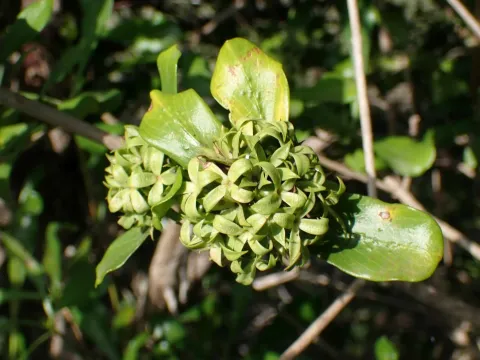
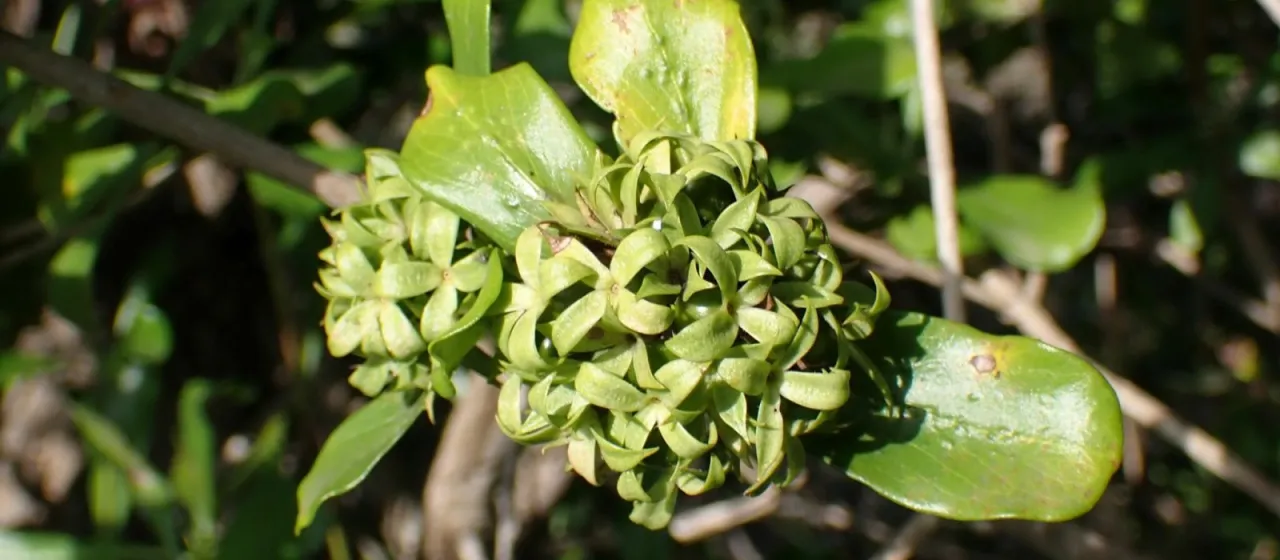
Botanically, Pavetta catophylla is noted for its leathery, opposite leaves and dense clusters of white to pale-colored flowers. A hallmark of the genus Pavetta is the presence of bacterial nodules within the leaf tissue. This symbiotic relationship with nitrogen-fixing bacteria is a critical adaptation that allows the plant to sustain itself in nutrient-poor forest soils, a fact that is highly relevant for soil management in controlled agricultural settings.
To ensure optimal growth, the crop requires well-draining, slightly acidic soil enriched with organic matter. Agricultural management focuses on consistent irrigation, preventing waterlogging while ensuring the root zone does not dry out completely. Proper ventilation is equally important in confined environments to prevent fungal infections and encourage healthy leaf development, which is vital for the plant's overall vigor.
When maintaining Pavetta catophylla, attention must be paid to common threats, including pests such as spider mites and mealybugs, which are prevalent in warm, humid greenhouse conditions. Effective management involves:
- Regular inspection of the underside of leaves for early pest detection.
- Application of environmentally friendly insecticides when necessary.
- Sanitary pruning to improve air circulation within the canopy.
- Routine monitoring of substrate pH levels to maintain nutrient availability.
- Preventative treatment against root rot through controlled irrigation schedules.
Photo gallery