Description
Pavonia burchellii is a perennial plant belonging to the Malvaceae family. As a distinct species within this diverse group, it exhibits standard family characteristics, including specialized floral structures and resilient foliage. This plant is recognized for its adaptability to specific environmental conditions, making it an interesting subject for botanical study and specialized cultivation.
Originating from Southern Africa, this species thrives in tropical and subtropical regions. Its natural habitat includes open, sunny areas where it has evolved to withstand seasonal fluctuations in moisture. Successful cultivation of Pavonia burchellii requires replicating these native conditions, particularly regarding light exposure and thermal requirements.
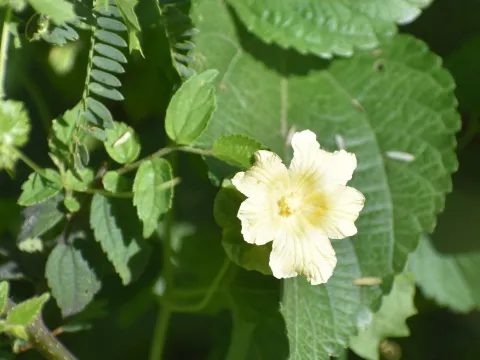
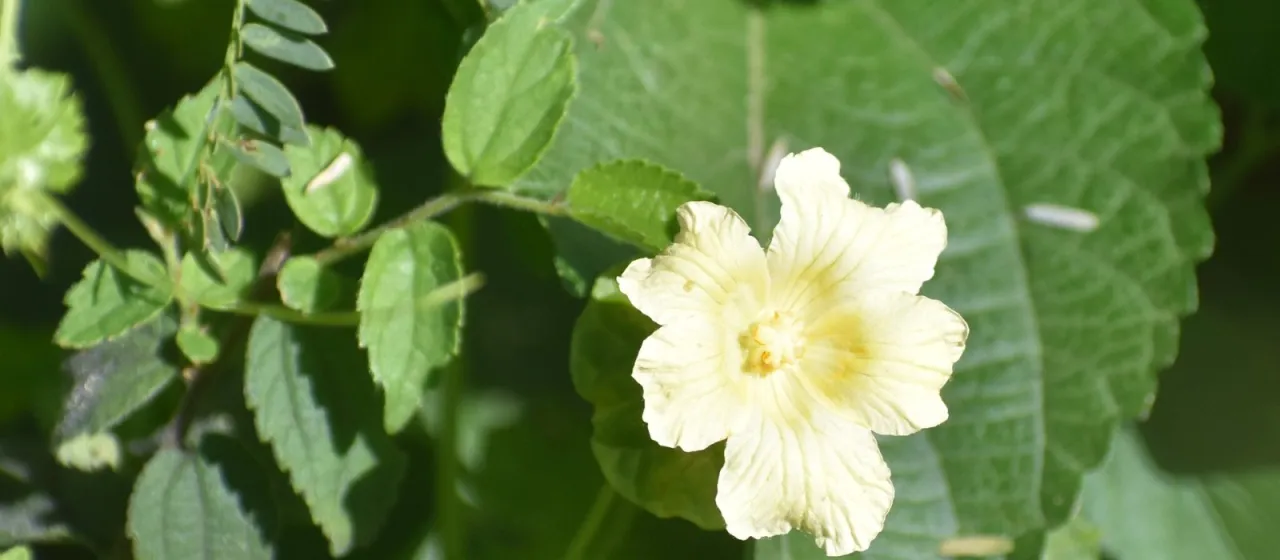
Botanically, the plant is characterized by its sturdy growth habit and the presence of fine hairs on the leaves, an adaptation designed to minimize water loss. The flowers are typically showy, serving as a primary feature that defines the plant's aesthetic appeal. A deep and robust root system supports its survival in its native, often harsh, environment.
The agronomic requirements are focused on providing a well-draining soil medium, as the plant is sensitive to root rot caused by stagnant water. It prefers soil that is neutral to slightly acidic, enriched with organic matter to support consistent growth. Adequate spacing between plants is essential to ensure proper air circulation and to prevent the development of fungal diseases that often affect members of the Malvaceae family.
The primary use of Pavonia burchellii is currently within ornamental landscapes and botanical research. It is valued for its heat tolerance, which makes it a viable candidate for arid-climate gardening. Common pests to monitor include spider mites and aphids, while powdery mildew remains a frequent concern in high-humidity conditions, requiring regular monitoring and integrated pest management practices.
Photo gallery