Description
Pavonia multiflora, commonly known as Brazilian Candles, is an evergreen shrub species belonging to the Malvaceae family. This ornamental crop is highly valued in the nursery industry for its unique, architectural appearance and its ability to bloom with striking, long-lasting floral displays in controlled environments.
The plant originates from the tropical rainforests of Brazil. Due to its natural habitat requirements, it is widely recognized as a tropical species that necessitates consistent warmth and humidity. In agricultural practice, it is primarily cultivated as a high-value greenhouse or conservatory crop, rather than for broad-acre field production.
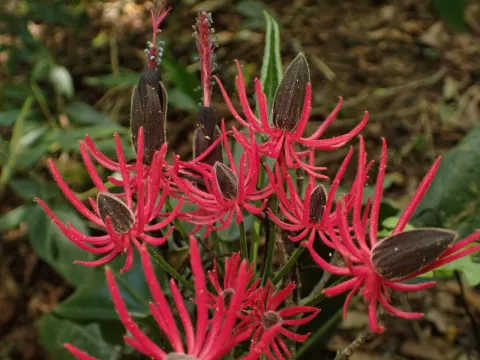
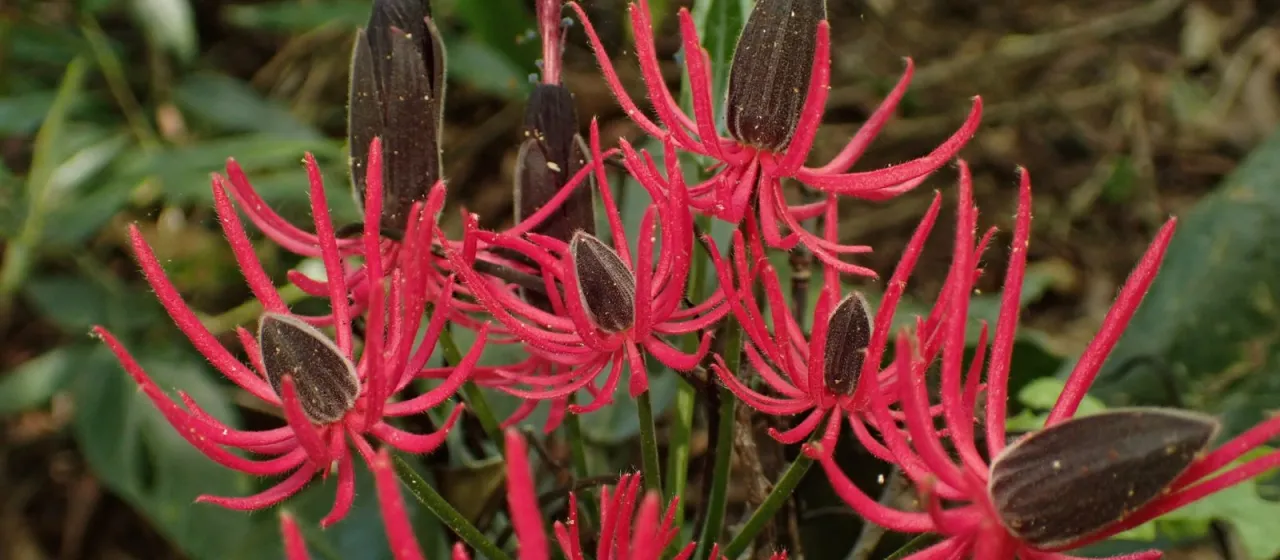
Botanically, the plant features large, dark green, lanceolate leaves with prominent veins. The standout characteristic is its inflorescence, which consists of deep indigo-blue petals partially enclosed by showy, bright red bracts. This visual contrast makes it a staple for specialized commercial greenhouse production.
Successful cultivation relies on maintaining high ambient humidity and well-draining, nutrient-rich potting soil. It requires consistent moisture levels without waterlogging the roots. Providing a stable environment with temperatures typically ranging between 18°C and 25°C is essential for maintaining plant vigor and promoting regular cycles of growth.
Management of the crop involves strictly monitoring for pests and physiological issues common in tropical greenhouse environments:
- Spider mites thrive in dry conditions and can cause significant foliage damage.
- Mealybugs often congregate in leaf axils, requiring integrated pest management strategies.
- Root rot occurs frequently if the growing medium lacks proper drainage or if overwatering is practiced.
Photo gallery